
What a Typical Wedding Menu Includes From Appetizers to Dessert
A wedding meal has a few standard parts. Once the full picture is clear, planning gets a lot easier.
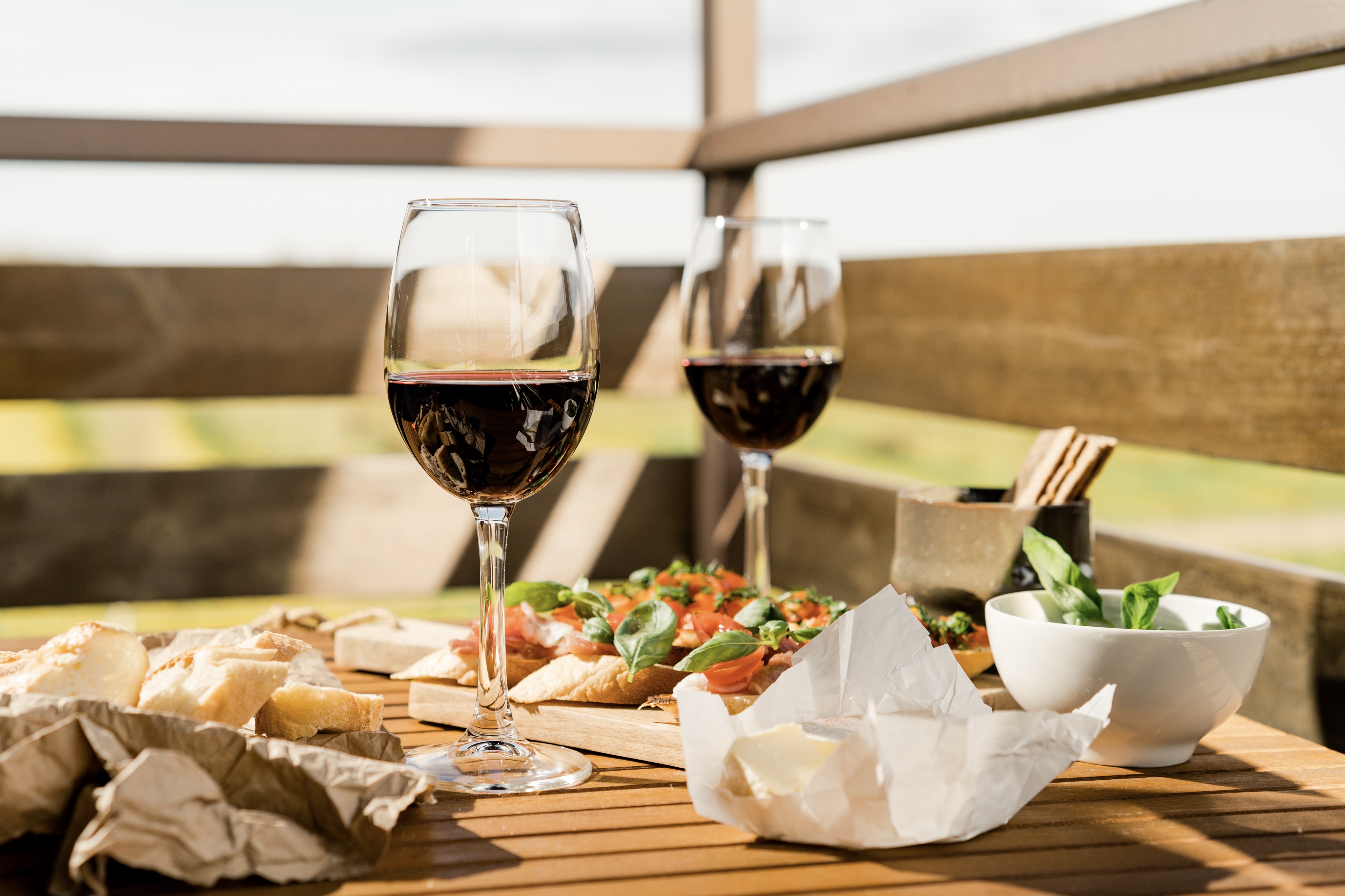
Cocktail hour bites. These come out while guests mingle after the ceremony. Charcuterie boards, bruschetta, fruit trays, bacon-wrapped dates, and finger foods people can eat standing up. Cocktail hour keeps everyone happy while the couple slips away for photos with the wedding party. One thing seasoned planners will say — do not skip cocktail hour food. Hungry guests waiting 90 minutes between the ceremony and dinner get restless fast. Even a simple spread makes a big difference in the mood of the room.
The main meal. This is the big one. Most Grand Junction receptions serve one or two proteins — chicken and beef lead the pack — with sides like roasted veggies, mashed potatoes, or pasta. A salad course comes first at most sit-down dinners. Bread and butter round it out. Through Redlands Mesa wedding services, the couples who get the most compliments tend to keep it simple and do it well rather than trying to offer five options that stretch the kitchen thin.
Dessert. The wedding cake still gets its moment. But a lot of couples now add a dessert spread alongside it. Brownie bites, cheesecake bites, lemon tartlets, cannolis — guests love having choices beyond a slice of cake. A dessert table also doubles as a visual piece for the reception. Done right, it becomes part of the décor.
Drinks. Most receptions include wine, beer, and at least one or two mixed drinks. A signature cocktail that matches the wedding colors or theme is a fun touch that does not cost much extra. Mimosa bars and champagne toasts are popular add-ons too. One piece of advice from couples who have been through it — pick a signature drink that is easy to batch. A complicated cocktail that takes 90 seconds per glass will back up the bar line all night.
Venues near the Palisade corridor often fold local fruit, honey, and seasonal produce right into the menu. A peach salsa appetizer in August or a lavender-honey drizzle on dessert ties the meal to the Western Slope. Out-of-town guests notice those little details, and they love them. There is something about eating food that comes from the same valley where the wedding is happening at a Colorado mountain wedding venue it makes the whole evening feel connected to the place.
Plated, Buffet, or Family-Style — Which Service Format Fits Your Reception
How the food gets to the table changes the whole feel of the evening. Each format affects the pace, the mood, and the price tag.
Plated service. Waitstaff brings each course right to the guest. Portions and timing stay controlled. It feels polished and keeps everything moving on schedule. Plated dinners need more servers, so staffing costs go up. This format works well in clubhouse ballrooms and indoor spaces around the Redlands where the room is set up for table service. The trade-off is that plated meals lock guests into their seats longer. If the wedding crowd is the type that likes to mingle between tables, plated service can feel a little stiff.
Buffet service. Guests walk up to a serving line and pick what they want. Buffets give people options and let them eat at their own speed. Fewer servers are needed, which can bring down the per-person price. But people may load up their plates, so total food volume can climb. A wedding reception venue near Orchard Mesa or out in Fruita tends to lean toward buffet because the relaxed setting matches a laid-back serving style. That is just how things tend to go on the Western Slope. Buffets also get people out of their chairs and moving around the room, which helps guests at different tables mix and talk.
Family-style service. Big platters go to each table and guests pass them around. It feels like Sunday dinner with the people who matter most. This works great for groups of 60 to 120 and falls somewhere between plated and buffet in cost. When catering for weddings, there is a warmth to family-style that the other formats do not quite match. Passing a platter to someone creates a small moment of connection. At a wedding, those small moments add up.
A good question to ask during a venue tour: what format do most couples pick for events this size in this room? The coordinator has seen what works and what does not.
Crowd-Pleasing Entrees and Appetizers That Work for Large Groups
When the guest list hits 80 to 200 people, the goal is food that makes a wide range of people happy. Nobody needs a ten-page restaurant menu. A few solid choices done well beats a long list done halfway.
Entrees that work every time:
- Herb-roasted chicken — almost everyone likes it, and it pairs with anything
- Prime rib or grilled beef — the premium pick that makes the meal feel like an event
- Pan-seared salmon — a lighter option for guests who skip red meat
- Pasta with a rich sauce — works as a main dish or a second choice next to a protein
- A real vegetarian plate like portobello steaks or eggplant parm — not just a side salad pushed to the center of the plate
Here is something worth knowing: the entree guests remember most is usually the one with the best sauce or seasoning, not the most expensive cut. A perfectly seasoned roasted chicken gets more compliments than a dry filet mignon every time. Execution matters more than price tag.
Appetizers that keep cocktail hour lively:
- Artisan charcuterie boards with cured meats, cheeses, fruit, and crackers
- Bruschetta crostinis with roasted tomato or fig jam and goat cheese
- Sliders — meatball, pulled pork, or wagyu with brie
- Chicken or shrimp skewers
- Chips with fresh salsa and guac
A smart move for cocktail hour: mix one or two warm items with the cold ones. A tray of hot sliders next to a cold charcuterie board gives the spread more depth and keeps people coming back to the table.
Western Slope ranches supply beef and lamb that caterers right here in the valley source locally. Pairing a Colorado-raised entree with a Palisade wine gives the menu a story about where the wedding is happening. That is something a hotel banquet in Denver will never deliver. Guests — especially the ones who flew in from out of state — remember that the wedding tasted like Grand Junction.
How To Build a Wedding Menu Around Your Guest Count and Budget
Food is usually one of the biggest costs in a wedding budget. A few smart moves help the meal land well without blowing past the number.
Pick one premium protein and one affordable one. Prime rib next to herb-roasted chicken gives guests a real choice. The chicken keeps the per-person average down. The beef makes the whole spread feel generous. Both show up on the plate without doubling the bill.
Keep the appetizer spread to three or four items. A charcuterie board, one hot appetizer like meatball sliders, and a fruit tray cover most tastes during cocktail hour. Adding a fifth and sixth option sounds great during planning but usually just means leftover food at the end of the night. Three items done really well beats six items done just okay.
Cook with what is in season. This is where Grand Junction gives couples an edge most places do not have. Palisade orchards and local farms hit their peak in summer and early fall — right when most weddings happen out here. Peaches in August cost less and taste better than peaches shipped across the country in March. Building the menu around what grows in the valley right now keeps quality high and cost down. It is not a budget trick. It is just good cooking.
Match the service format to the staffing budget. Plated dinners need more servers per table. Buffets need fewer. If the caterer charges by the server hour, the format choice alone can move the bottom line by hundreds of dollars.
Ask the venue about food and bar minimums. Many Grand Junction venues set a spending minimum for food and drinks. If the guest count is small, that number may be hit with food alone. If the group is bigger, the minimum gives room to add appetizers, a dessert bar, or a late-night snack without going over. Understanding the minimum early helps avoid surprises on the final invoice.
One more thing that experienced couples say they wish they had known: do a tasting before signing the catering contract. Menus read well on paper, but the only way to know if the food is good is to eat it. Most venues and caterers offer a tasting for the couple at no extra charge. Take them up on it.
Working With the Venue's Catering Team vs. Hiring an Outside Caterer
Some venues cook everything in-house. Others allow an outside caterer. The setup changes how the whole food planning process works.
In-house catering means the venue's own kitchen and staff make and serve the meal. The menu choices are set by the venue, though most will work on custom requests within their style. The big win here is simplicity. One team handles the food, the setup, and the cleanup. One point of contact instead of juggling three. The kitchen already knows the room, the flow, and the gear. There is also less that can go wrong on the day itself when the people cooking the food work in that building every week.
Outside catering means hiring a separate company to bring food in. The menu has more freedom — anything the caterer makes is on the table. But it adds moving parts. The caterer needs kitchen access at the venue or has to haul in their own equipment. A separate contract, a delivery schedule, and proof of insurance all come into play. Some venues charge a kitchen-use fee on top of that.
Several Grand Junction venues along North Avenue and up in the Redlands require in-house catering or give couples a preferred-vendor list to choose from. Places that do allow outside caterers usually want to see a commercial kitchen inspection and liability coverage. This is worth asking about before signing anything so nobody gets caught off guard two months before the wedding.
If the venue has an in-house kitchen with a menu that fits, that is usually the simplest path. If the menu does not match the vision, asking whether swaps or custom builds are possible is a better first step than immediately looking outside. Many in-house kitchens are more flexible than their printed menu suggests.
Dietary Needs and Seasonal Ingredients To Factor Into a Grand Junction Menu
Every guest list includes someone with a food allergy, a dietary need, or a strong preference. Planning for that now saves a headache later — and it shows guests they were thought of individually, not as an afterthought.
Add at least one real vegetarian entree. Even if only a handful of guests need it, having a solid option — not a dinner roll and some steamed broccoli — matters. Portobello steaks, eggplant parm, or a stuffed pepper plate all work as a main course that anyone at the table would want to eat, not just the person who has to.
Label allergens at the buffet. If the reception is buffet or family-style, small cards that note gluten, dairy, nuts, and shellfish help guests serve themselves without worry. Any good caterer can put these together. It is a small detail that makes a real difference for the guests who need it.
Talk to the kitchen about serious allergies early. If a guest has a medical-level allergy — not just a preference — the kitchen needs to know months out so they can prepare that plate on its own without cross-contact. This is not a week-before conversation. It is a planning-phase conversation.
Build around what the valley grows. Grand Junction's farmers markets and the fruit stands along the Palisade highway supply ingredients that are naturally gluten-free and plant-based without trying to be. Roasted root vegetables, grilled summer squash, fresh peach salsa, and local honey desserts all handle dietary needs while keeping the menu tied to the Western Slope. The vegetarian plate is not some awkward add-on. It is built from the same local ingredients as everything else on the table.
Late summer and early fall weddings in the Grand Valley get the best pick of the crop. Peaches, cherries, apples, peppers, tomatoes, and sweet corn are all at their peak right when most couples out here are getting married. A menu built around August produce in Grand Junction is not a budget compromise. It is the best wedding food available anywhere in the state at that moment.
Host Your Wedding at Redlands
Redlands Mesa provides space for both wedding ceremonies and recptions.