
All-Inclusive Package for Small Weddings: Is It Worth It?
Most couples hear "all-inclusive wedding package" and picture some vague bundle. It's more specific than that. An all-inclusive package rolls your biggest wedding needs into one agreement with one vendor. One point of contact. One timeline. One bill.
That's the real appeal when your guest list is small.
Here's what a true all-inclusive package handles for you:
- Wedding venue rental for both your ceremony and reception in one location
- Catering for weddings with a set wedding menu, so you're not chasing down a separate food vendor
- Event decoration and decor lighting installation already built into the plan
- Day-of coordination to keep your timeline on track without you lifting a finger
- Seating chart planning and setup, which matters more than people think with a smaller guest count
Some packages also fold in a dance floor rental and wedding timeline coordination. We see couples assume they'll need to book those separately. They don't.
Why "All-Inclusive" Means Something Different at 50 Guests
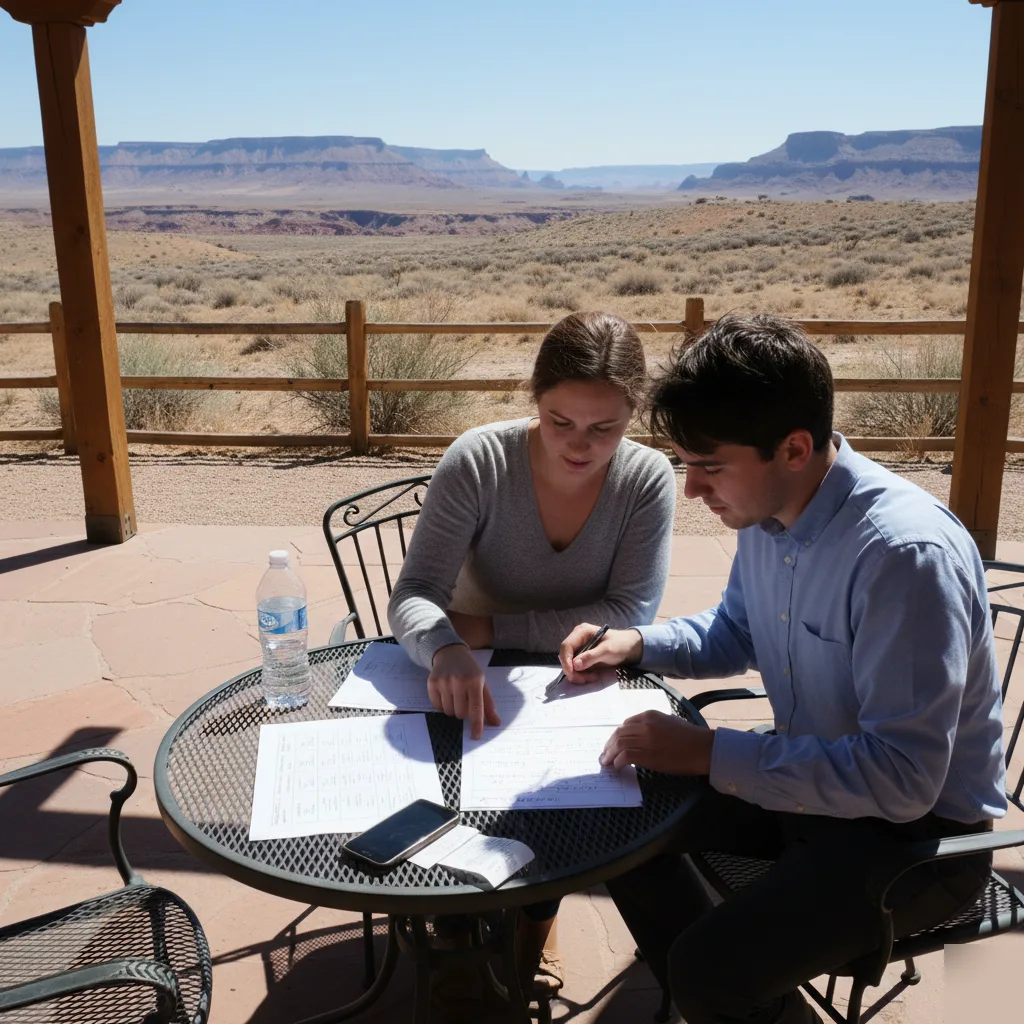
Big weddings with 200 guests need layers of logistics. Shuttle buses. Multiple bartenders. Overflow rooms. With a guest list that stays intimate, you strip all that away. What's left is the stuff that actually shapes your day. The food. The setting. The flow of events.
And that's exactly what an all-inclusive wedding package is built to cover.
We've worked with couples in Grand Junction who started out thinking they needed five or six separate vendors for a 30-person wedding. A florist here, a caterer there, a day-of coordinator on top of it. By the time they added it all up, they'd spent weeks emailing strangers and still didn't have a clear picture of their day. An all-inclusive package removes that scramble entirely.
Say you're planning a Saturday afternoon ceremony with a dinner reception right after. With an all-inclusive setup, your venue handles the ceremony space, flips the room for dinner, serves the wedding menu your guests chose, runs the lighting, and keeps the whole evening moving. You show up, you get married, you eat great food with the people you love most. That's not a fantasy scenario, that's a Tuesday conversation for us.
But here's something most people don't realize until it's too late. When you book vendors separately, nobody is responsible for making sure they all work together. Your caterer doesn't talk to your decorator. Your coordinator might not know what the venue allows. An all-inclusive package solves that problem before it starts. The team already knows the space and the timing.
Not every venue means the same thing by "all-inclusive." Some use the term loosely. A real all-inclusive wedding package covers your core needs without surprise add-ons popping up later. If you're exploring options, our all-inclusive wedding packages page breaks down exactly what's included so there's no guesswork.
For intimate weddings, this bundled approach isn't just convenient. It's the difference between a planning process that drags on for months and one that clicks into place in a few conversations.
All-Inclusive Packages Can Work Especially Well at Under 50 Guests
Here's something we see play out over and over at our venue. Couples with smaller guest lists get the most out of an all-inclusive wedding package. Not just a little more. A lot more.
Why? Because a smaller headcount gives you room to breathe.
With fewer guests, your all-inclusive package stretches further. The catering feels more personal. Seating chart planning takes an afternoon instead of a week. Your day-of coordination runs smoother because there are fewer moving parts. We've watched couples with 30 guests enjoy a relaxed, unhurried celebration that felt more like a really good dinner party than a stressful production. (Grand Junction's spring and fall weather makes that kind of outdoor evening feel effortless in a way that July just doesn't.)
Fewer Guests Means More Flexibility
A compact guest list opens up options that bigger weddings can't touch. With 150 people, you're locked into certain room sizes, certain layouts, certain timelines. But with a smaller group, you can use spaces in ways that actually feel intentional. An intimate venue suddenly feels like it was built just for your celebration. You can set up your ceremony and reception in one location without feeling cramped. The dance floor feels open instead of tight.
We've hosted weddings here where couples used our outdoor event space for their ceremony with the red rock views of Colorado National Monument behind them, then moved inside for dinner and dancing. That kind of flow works beautifully with a smaller group. It gets chaotic fast with 200 people.
All-Inclusive Packages Remove the Guesswork
Most people don't realize how many separate vendors a wedding actually needs until they start planning one. Catering for weddings alone involves menu tastings, dietary restrictions, service staff, and timing. Then there's event decoration, decor lighting installation, and the wedding timeline coordination that ties it all together.
An all-inclusive wedding package bundles those pieces into one plan. With a smaller guest count, that bundle tends to cover everything you actually need without extras you don't. Here's what typically falls into place with a good all-inclusive setup:
- Venue rental for both ceremony and reception
- Catering with a wedding menu built for your group size
- Day-of coordination so you're not managing logistics on your own wedding day
- Setup details like seating, lighting, and dance floor rental
That's the stuff that eats up your time when you're juggling five different vendor contracts. One package, one point of contact, one less thing keeping you up at night.
If you're planning a smaller celebration and want a deeper look at what goes into pulling one off well, the ultimate guide to planning micro weddings from Junebug Weddings walks through the key decisions couples face when keeping their guest list tight.
Real Talk From What We've Seen
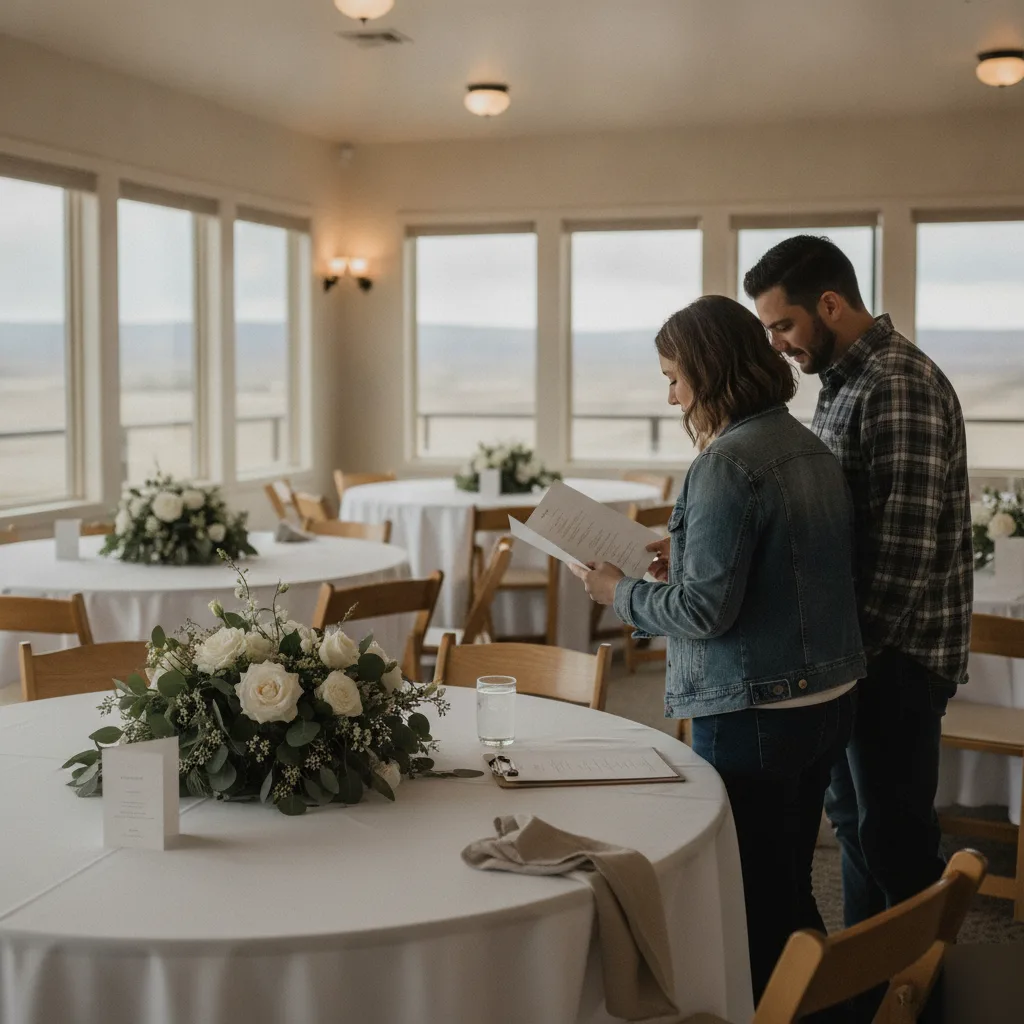
A couple booked with us last fall. Thirty-eight guests. They'd originally planned to coordinate everything themselves. After two months of back-and-forth with separate caterers and decorators, they switched to our all-inclusive wedding package. The bride told us she wished she'd done it from the start.
And that's not unusual.
Smaller weddings feel like they should be simpler to plan on your own. Sometimes they are. But "small" doesn't mean "easy" when you're still dealing with vendor schedules, delivery windows, and setup timelines across Grand Junction.
So is an all-inclusive package a good fit for a wedding with fewer than 50 guests? In our experience, it's often the best fit. You get the structure of a full wedding plan without paying for capacity you'll never use. Your stress level drops. And your guests notice the difference because everything feels intentional instead of patched together.
If you're leaning toward a smaller celebration and want to see how an all-inclusive wedding package could work for your day, take a look at our all-inclusive wedding packages page for the full picture.
All-Inclusive vs. Building Your Own: What Costs Less at a Small Wedding
Most couples assume they'll save money by picking each vendor on their own. We hear it all the time. And it makes sense on the surface. Why pay for a package when you could shop around?
But here's what actually happens.
You book a venue. Then you need catering for weddings, so you call three or four companies. Each one has a delivery fee, a setup fee, a minimum headcount. Some won't even take a party under 75 people. Then you need tables, chairs, linens. A dance floor rental adds another line item. Decor lighting installation? That's a separate vendor with a separate contract. Day-of coordination? Another cost you didn't see coming.
The bills stack up fast, and they come from everywhere at once.
Where DIY Planning Gets Costly
A study from The Knot found the average U.S. wedding in 2023 cost around $35,000. Smaller weddings cost less overall, sure. But the per-guest cost often climbs higher because many vendors charge flat minimums regardless of headcount. You might pay the same base rate for a DJ whether you have 30 guests or 130.
Here's a quick look at where couples building their own wedding tend to lose money:
- Vendor minimums that don't scale down for small groups
- Separate delivery and setup fees from each provider
- Renting a ceremony venue and a reception venue instead of one location
- Last-minute additions like coordination or lighting that weren't in the original plan
These aren't huge costs by themselves. Together, they can add thousands to your total. We've seen couples in Grand Junction spend more piecing things together than they would have with an all-inclusive wedding package that bundled everything from the start.
What an All-Inclusive Package Actually Bundles
An all-inclusive wedding package rolls your major needs into one agreement. Ceremony and reception in one location. Catering from our in-house Ocotillo Restaurant + Bar team. Event decoration. Seating chart planning. Wedding timeline coordination. One point of contact instead of seven.
Think about a couple planning a 40-person wedding here at Redlands Mesa. They want an outdoor ceremony with those Colorado National Monument red rock views behind them, then a dinner reception right after. With an all-inclusive package, they get the venue, the food, the setup, and coordination handled together. No chasing down separate contracts. No surprise fees showing up two weeks before the wedding.
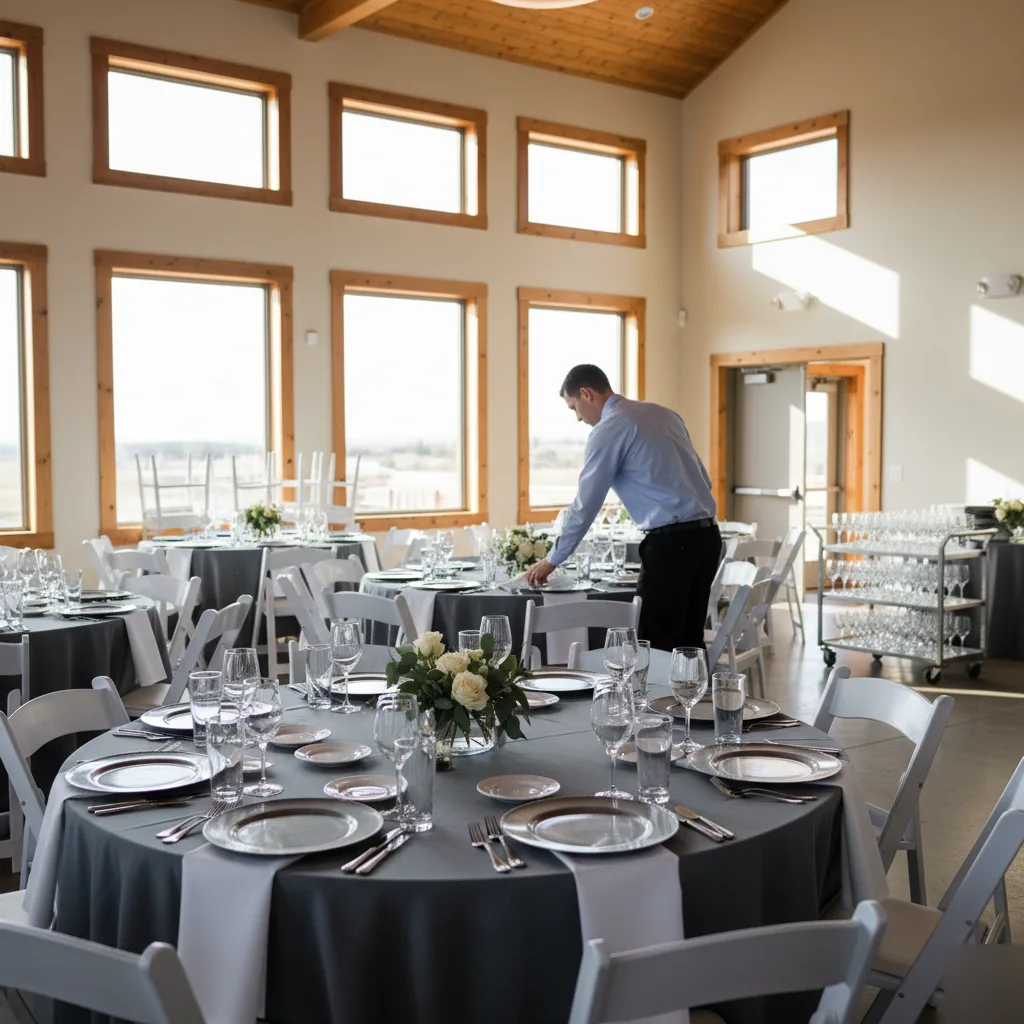
That simplicity is worth real money.
And it's worth something you can't put a dollar amount on: your time. Planning a wedding while working full-time in Grand Junction, maybe commuting out toward Fruita or Palisade, leaves you with limited hours. Every vendor call, every contract review, every tasting appointment eats into evenings and weekends.
So which approach actually costs less? With a guest list under 50, all-inclusive packages almost always come out ahead. The bundled structure cuts the small fees that quietly inflate a DIY. You get predictability. You know what you're paying before you sign.
If you're curious how this works in practice, our all-inclusive wedding packages page breaks down exactly what's included so you can compare with confidence.
Fewer guests doesn't automatically mean fewer costs. It means you need a smarter structure to keep things affordable.
Host Your Wedding at Redlands
Redlands Mesa provides space for both wedding ceremonies and recptions.