
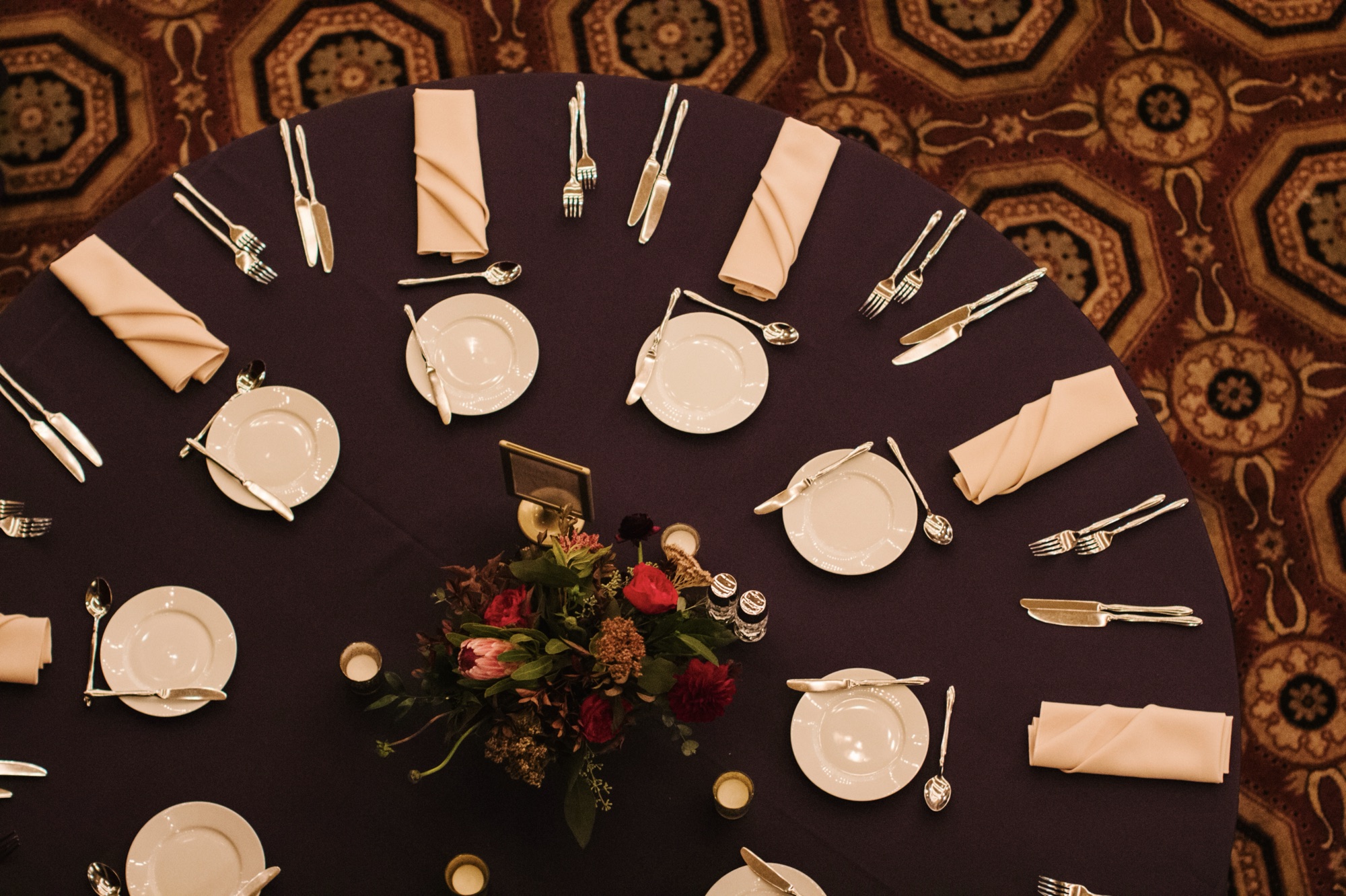
What is included in a banquet menu in Grand Junction?
A banquet menu is a pre-planned meal served to a large group at a private event. It's built around courses, serving style, and guest count — not individual orders off a regular menu. In the Grand Valley, Redlands Mesa banquet and reception events offer menus for weddings, corporate events, and private celebrations with options for plated, buffet, and family-style service.
- Appetizers or starter course, main entrée choices, and dessert
- Drink service including non-alcoholic options and bar coordination
- Serving style choice — plated, buffet, or family-style — based on event format
What a Banquet Menu Includes and How It's Different From a Regular Menu
If you've never fed 80 or 150 people at once, it sounds harder than it is — as long as you have a plan. That's what a banquet menu gives you. Instead of every guest ordering off a regular menu and the kitchen juggling 90 different plates, the whole meal is mapped out ahead of time for the group.
You pick the courses. You pick the entrée options. You pick how the food gets served. The kitchen takes those choices and builds a system around them so every table gets fed at the same time, at the same quality. Nobody waits 45 minutes for their plate. Nobody flags down a server to order. The meal moves on a set schedule that keeps the whole evening on track.
At Redlands Mesa, our Ocotillo kitchen runs banquet menus in-house. That's a bigger deal than it sounds. It means your menu is built around what our cooks can prepare fresh, right here, at the scale your event needs. No outside caterer loading food into vans and driving across town. No reheated trays sitting under a heat lamp for an hour. The food is made in the same building where your guests are sitting, and the people cooking it are the same people plating it.
We've seen the difference that makes. When the kitchen is 50 feet from the table instead of 15 miles away, the food arrives hotter, fresher, and more consistent. Your guests notice that even if they can't name exactly why the meal felt better than the last event they attended.
A banquet menu gives the kitchen a clear game plan. That game plan gives you a smooth dinner. And a smooth dinner means your guests remember the food — not the wait.
How Banquet Courses Are Structured for a Seated Event
A seated banquet dinner follows a course structure that gives the meal a rhythm. Each course moves the evening forward and creates natural pauses for toasts, speeches, or just good conversation between plates. When the courses flow right, the whole night feels paced instead of rushed.
Appetizers. These come out during cocktail hour or as guests take their seats. This is the part of the evening where people are still settling in — finding their table, grabbing a drink, saying hello to people they haven't seen in a while. Appetizers fill that gap. At Redlands Mesa, options range from artisan charcuterie boards and fresh fruit trays to hot items like chicken pot stickers, ahi wontons, and bacon-wrapped chorizo stuffed dates.
A piece of advice from watching hundreds of events: don't skip appetizers to save money. Hungry guests waiting 45 minutes for dinner get restless. A few appetizer stations during cocktail hour keep the mood relaxed and buy the kitchen time to plate the main course properly.
Salad course. A traditional salad, Caesar, or Greek pasta salad served after guests sit down. This course does more than feed people — it signals that dinner has started and the evening is underway. If you're planning toasts or a welcome speech, the pause between salad and entrée is the most natural spot. Guests have food in front of them, drinks in hand, and the room is settled.
Entrée. This is the heart of the meal and the part that carries the most weight. Our buffet entrée options include prime rib, stuffed chicken breast, roasted pork with apricot glaze, beef pot roast, BBQ, Southwest taco bar, Italian pasta bar, shrimp scampi, and a brunch bar. Vegetarian options — portobello steaks, eggplant parm, or buffalo cauliflower burger — are available on request.
If we could give every host one piece of menu advice, it's this: pick the entrée based on your crowd, not your Pinterest board. A room full of Grand Valley families who spent the morning at a kid's soccer game in Fruita wants prime rib and mashed potatoes — not a deconstructed something with a drizzle of something else. Feed them what they came for and they'll love you for it.
Dessert. Brownie bites, cheesecake bites, cannolis, lemon tartlets, donut holes, or a full layered cake — chocolate, vanilla, lemon-berry mascarpone, German chocolate, carrot, or lemon curd. If you're bringing your own cake, a $5 per person cutting fee covers cutting, plating, plates, forks, napkins, and service. Cakes ordered through Ocotillo don't carry the fee.
Dessert does double duty. It wraps up the meal and gives people a reason to stay in their seats a little longer. The events where guests linger over dessert and keep talking are almost always the ones the host calls "perfect" the next day.
Which Banquet Menu Format Fits Your Event Type
The way food is served changes how the night feels more than most people expect. A buffet creates a completely different energy than a plated dinner, even if the food is the same. Picking the right format early saves time and headaches at setup.
Buffet. Guests serve themselves from a central food line. This is the most flexible format for groups of 40 to 150 and by far the most popular choice we see in the Grand Valley. It keeps things moving, gives people choices, and fits the relaxed, no-fuss vibe that most Western Slope events lean toward. Our buffet spreads — BBQ with mac and cheese and corn on the cob, Southwest taco bar, Italian pasta bar, prime rib dinner — are designed to handle big crowds without slowing down.
Honest take: if your event is casual and your guest count is over 50, buffet is almost always the right call. It's faster, more forgiving, and lets your guests eat what they actually want instead of what someone pre-selected for them six weeks ago.
Plated service. Each guest gets a pre-selected plate brought to the table. This is the most formal option and works best for weddings, anniversary dinners, and corporate awards nights. It takes more staff and a tighter timeline, but it gives the meal a polished, intentional feel. Guests pick their entrée ahead of time, and the kitchen plates every dish to order.
Plated service makes sense when the dinner is part of the program — when the meal itself is a statement. If you're doing toasts between courses and the evening is built around the table, plated service elevates that experience.
Family-style. Big platters go to the center of each table and guests serve themselves. This is our personal favorite for events where the table itself is the experience. Family reunions, rehearsal dinners, holiday gatherings — any event where people want to pass dishes, share food, and actually talk to the person sitting next to them. There's a warmth to family-style that plated service can't match and buffet doesn't try to.
Stations. Food is spread across the room in separate spots — appetizers in one area, main course in another, desserts near the back. This works for cocktail receptions and open-house events where guests move around all night. Our appetizer stations — sliders, skewers, artisan toasts, charcuterie — are built for this kind of grazing setup.
Stations work especially well when the event isn't centered around a sit-down meal. If the night is about mingling and the food is meant to fuel conversation instead of pause it, stations let people eat on their own terms.
How to Build a Banquet Menu That Works for a Big Guest Count
Feeding 75 to 150 people at the same time is not the same job as cooking for a dinner party. The menu needs to hold up at scale, and the kitchen needs a plan that keeps every table fed on time without the quality dropping off a cliff between table one and table fifteen.
Start with two entrée options. Offering two choices — one meat and one lighter or vegetarian — covers most of your guest list without putting the kitchen in a bind. At Redlands Mesa, pairing a prime rib dinner with stuffed chicken breast, or a BBQ spread with a taco bar, gives guests real options without creating a logjam in the back of house.
We see hosts try to offer four or five entrée choices and it almost always backfires. More options means more kitchen complexity, more room for error, and more food waste. Two strong options beat five mediocre ones every time.
Collect dietary needs early. Ask for allergy and dietary info on your RSVP card or invitation. Our kitchen prepares vegetarian options — portobello steaks, eggplant parm, buffalo cauliflower burger — but needs the count ahead of time. Final guest count and dietary details are due 14 days before the event.
Don't assume you can handle this at the door. A guest with a severe nut allergy showing up to a banquet with no advance notice puts the kitchen in a tough spot. Collect the information early and pass it along. It takes 30 seconds on the RSVP and saves a real headache on event day.
Match the food to your crowd. This is where a lot of hosts go wrong, especially if they're pulling menu ideas from wedding blogs based in Los Angeles or New York. Grand Valley events mean Western Slope guests. People out here work outdoors, ranch, farm, and spend weekends in the Monument or up on the Grand Mesa. A light grain bowl with microgreens and a citrus drizzle is not going to cut it for a room full of people who burned 800 calories before lunch.
A buffet with prime rib, mashed potatoes, roasted vegetables, and dinner rolls hits the mark for this crowd. Add a salad course and a dessert station and nobody leaves hungry. Know your room. Feed them accordingly.
Plan the timing around your program. Whether you are booking an anniversary party venue or a corporate celebration, if your event has toasts, awards, or a slideshow, build the food timeline around those moments. Appetizers during arrival. Salad as guests sit. Toasts between salad and entrée. Dessert after the program wraps. A clear timeline keeps the kitchen on track and gives the evening a rhythm that feels natural instead of choppy.
The biggest scheduling mistake we see: hosts who try to squeeze toasts in after dessert when half the room has already started standing up. Put the speeches before the entrée or between the entrée and dessert — while everyone is still seated and paying attention.
What Local and Seasonal Ingredients Bring to a Grand Valley Banquet Menu
A banquet menu doesn't have to taste like it could have been served in any hotel ballroom in any city in the country. In the Grand Valley, the ingredients that grow and graze right outside your window can make your meal feel tied to this place. And when your guests are looking out at the Colorado National Monument while they eat, the food should match the view.
Palisade peaches and stone fruit. When they're in season — late June through September — Palisade peaches are one of the most recognized flavors on the Western Slope. Folded into a dessert, a glaze, or a fresh fruit tray, they give your menu a local signature that out-of-town guests won't forget. Anyone who's ever pulled over at a fruit stand on Highway 6 in August knows that smell. Put that on the plate and the table becomes a conversation about this valley.
Western Slope beef and pork. Mesa County's ranching community raises the kind of protein that anchors a real banquet entrée. A prime rib dinner or braised beef pot roast built around locally raised beef connects the meal to the land your guests can see through the venue windows. This is cattle country. The ranches are ten minutes from the table. The food should reflect that, and guests from the Front Range or out of state notice when it does.
Seasonal produce. Roasted seasonal vegetables, fresh herbs, and local greens change with the calendar. A May wedding menu looks different from an October anniversary dinner, and both feel more honest than a frozen vegetable medley shipped from a distribution warehouse. Seasonal menus also taste better because the ingredients are picked closer to peak and don't travel as far. That's not a marketing line — it's just how produce works.
Colorado wine and spirits. Palisade is home to some of Colorado's best-known wineries and tasting rooms. A wine flight or a local pour during dinner ties the bar program to the same agricultural roots that shape the food. Signature cocktails built with Colorado spirits add another layer. Your guests are eating dinner in the middle of wine country. Let the bar remind them.
Here's the thing about using local ingredients: it doesn't just make the food better. It gives the meal a story. Guests remember "that incredible peach dessert at the wedding in Grand Junction" longer than they remember a generic slice of cheesecake. The food becomes part of the memory of the place, and that's worth more than any centerpiece.
What to Confirm When You Finalize Your Banquet Menu
Before you lock in the menu, walk through this checklist. These are the details that keep dinner running smoothly and prevent the kind of day-of surprises that make a host's stomach drop.
Dietary restrictions and allergies. Confirm how the kitchen handles common allergens — gluten, dairy, nuts, shellfish — and how far ahead needs must be submitted. At Redlands Mesa, final dietary details are due with the final guest count, 14 days before the event. Don't treat this as optional. One missed allergy can turn a great evening into an emergency.
Entrée count per table. If guests are choosing between two entrée options, confirm how selections are collected — pre-selected on the RSVP or chosen at the table. Pre-selection gives the kitchen more control and results in faster, more accurate service. Day-of choice adds flexibility but can slow things down for groups over 100. For most Grand Valley events, we recommend pre-selection. It makes the kitchen's job cleaner and gets food to the table faster.
Service timeline. Walk through the dinner schedule with your coordinator. When do appetizers go out? When does the salad course land? How long between entrée and dessert? The kitchen builds its entire prep around this timeline, so a last-minute change at 4pm on event day ripples through the whole meal. Nail this down early and stick to it.
Bar coordination. Confirm whether the bar runs during dinner or pauses for the meal. At Redlands Mesa, beverage packages — open bar, cash bar, drink tickets — are available and can be customized. Bar spending counts toward your food and bar minimum, which changes by season and guest count.
A quick tip on bar coordination: if your event has a formal program or speeches during dinner, consider pausing bar service during that window. It keeps the room focused and prevents the clinking-glasses-drowning-out-the-toast problem that happens more often than you'd think.
Tasting session. Ask about scheduling a tasting before you finalize the menu. This is your chance to try the food before you commit — and it's one of the most valuable parts of the planning process. Tasting availability, timing before the event, and how many people can attend vary, so bring it up early in the conversation.
Menu lock-in deadline. Confirm when the final menu must be submitted. Seasonal ingredients may affect what's available closer to your date, so locking in early gives you the widest selection. Custom menus are available within our service style — the earlier you start the conversation, the more options the kitchen can offer.
Host Your Wedding at Redlands
Redlands Mesa provides space for both wedding ceremonies and recptions.