
What Is the Rarest Month to Get Married? Wedding Date Trends in Grand Junction
January and February are the rarest months to get married in the United States, according to The Knot's annual Real Weddings Study. Cold weather and post-holiday budgets keep most couples away, though a few brave pairs love the quiet, cozy feel these months offer. If you're planning a Grand Junction wedding in the off-season, you'll likely find more flexibility and a calmer planning window.
So which month wins the award for rarest wedding? January takes the top spot most years, with February following close behind. The Knot's Real Weddings Study has tracked this pattern for over a decade, and it rarely shifts. Most couples want warm weather, blooming trees, or golden fall leaves in their photos, and January simply can't deliver that in most parts of the country.
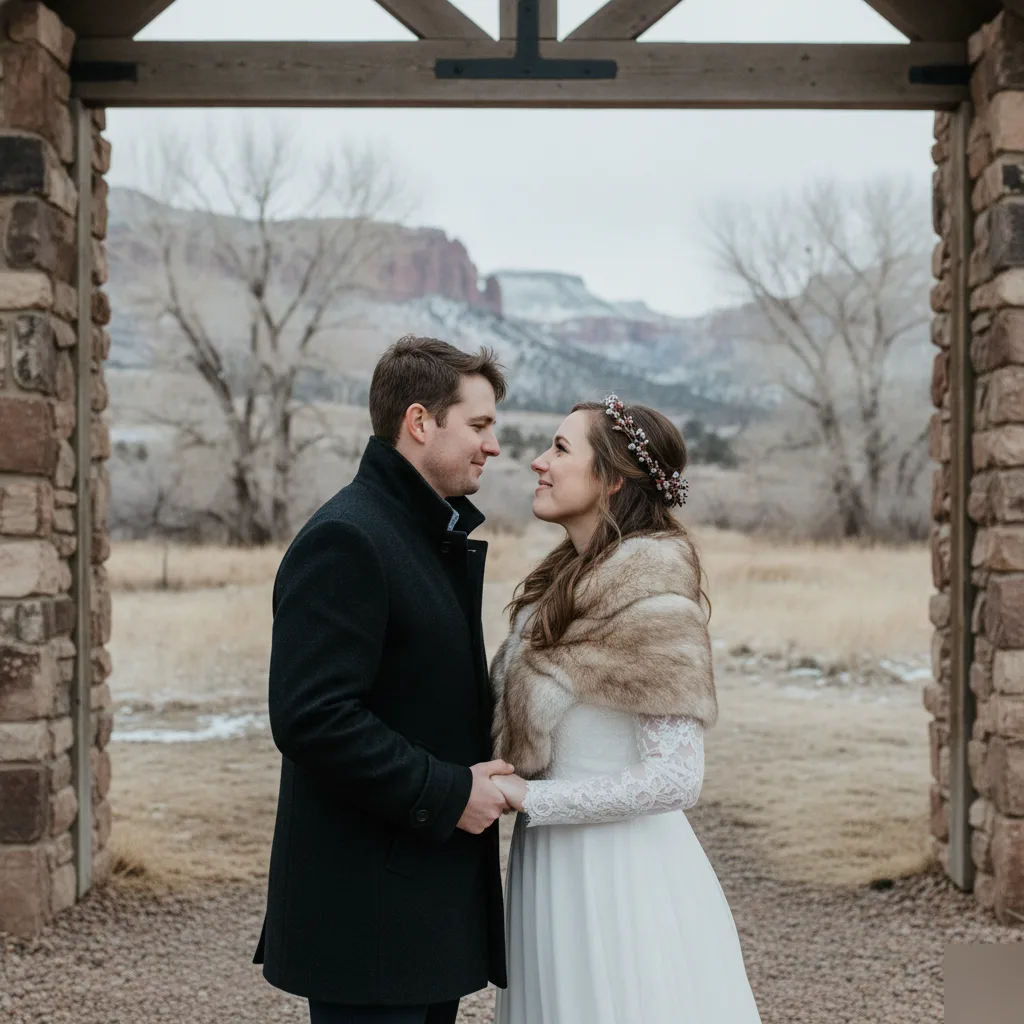
Grand Junction sits in a spot where winter really does feel like winter. Snow dusts the Bookcliffs, mornings turn cold, and daylight hours shrink fast. That's part of why January weddings stay rare here too. But here's something we've noticed after years of hosting ceremonies: an indoor wedding venue changes the whole conversation. When your ceremony and reception happen in one warm, covered space, winter stops being a problem and starts becoming a mood.
March and December also rank as less common choices, though not quite as rare as January or February. December gets some love from holiday-themed couples drawn to twinkle lights and pine garland. March lands in that awkward in-between season, not quite spring, not quite winter, so many couples skip past it while they wait for April.
- January: the single rarest month nationally, mostly due to cold weather and tight post-holiday budgets
- February: a close second, though Valentine's Day romance draws a small but loyal crowd
- March: an in-between month many couples overlook while waiting for spring
- December: rare overall, but popular among couples who love holiday styling
We get a lot of questions about whether an off-season date hurts a wedding somehow. It doesn't. In fact, we've seen some of the coziest, most relaxed weddings happen in the dead of winter. Fewer guests are juggling summer travel plans, fewer competing weddings crowd the calendar, and your vendors have more breathing room too.
There's a real difference between rare and undesirable, though. Rare just means fewer couples pick that month; undesirable would mean something's actually wrong with it. For Grand Junction couples, an off-season date can mean shorter wait times, calmer planning, and a quieter version of your day. We think that's worth considering.
Why Winter and Holiday Dates See Fewer Weddings
Winter weddings in Grand Junction don't happen nearly as often as summer ones. December and January sit at the bottom of almost every wedding date list we've seen, and we notice the same pattern year after year in our own booking calendar.
So why does this happen? A few factors stack up against winter and holiday dates at once. Cold weather, packed family calendars, and travel headaches all push couples toward spring and fall instead.
- Weather risk on the Western Slope. Grand Junction gets cold nights and occasional snow in December and January, which makes outdoor ceremony plans harder to count on.
- Holiday competition. Guests already have Christmas parties, family travel, and end-of-year work events. Asking them to add a wedding on top of that is a big ask.
- Vendor availability shifts. Some vendors slow down in winter, but that's good news for couples willing to plan around it.
- Photo light changes fast. Shorter days mean less natural light for evening portraits, so timelines need to shift earlier.
- Guest travel costs go up. Flights and hotel rooms often cost more around the holidays, which can shrink your guest list without you meaning to.
We had a couple a few years back who wanted a New Year's Eve wedding. They loved the idea, sparklers, a countdown toast, the whole thing. But once we walked through their guest list together, they realized half their out-of-town family already had holiday travel booked. They ended up moving to early October instead, and it worked out better for everyone.
That's the real tradeoff with winter dates. You get more open weekends and quieter planning, but you're working against the calendar most people already have.
Here's the part most couples don't expect: a rare date isn't automatically a bad one. Winter weddings at an indoor wedding venue can feel warm and cozy in a way summer never quite matches. Twinkle lights against big windows, a fire going somewhere near the reception, that kind of thing. If Grand Junction gets a light snow that day, it can make your photos look incredible instead of ruining them.
We've also noticed something interesting. Couples who choose January or February often get more attention from their guests. There's no wedding season fatigue yet, no other events competing for the same weekend. People show up rested and ready to celebrate.
Holiday dates carry their own charm too, if you plan around the crowd instead of against it. A December wedding decorated for the season can double as a Christmas party your guests never forget.
Rare Doesn't Mean Risky: Rethinking Off-Season Wedding Dates
Here's the truth we tell every couple who asks about picking a rare month: rare doesn't mean risky. It just means fewer people are booking that date, which works in your favor.
Think about January or February in Grand Junction. The Grand Valley gets cold, sure, but it also gets quiet, calm skies and soft winter light over the Colorado National Monument. Couples who book these slower months often get more attention from their venue team. We've seen it happen again and again.
So why do people avoid these months? Mostly fear. They worry about weather, worry about guest turnout, worry that an indoor wedding venue can't compete with a summer sunset. But an indoor wedding venue with a real dance floor and good lighting can feel just as warm and lively in February as it does in June.
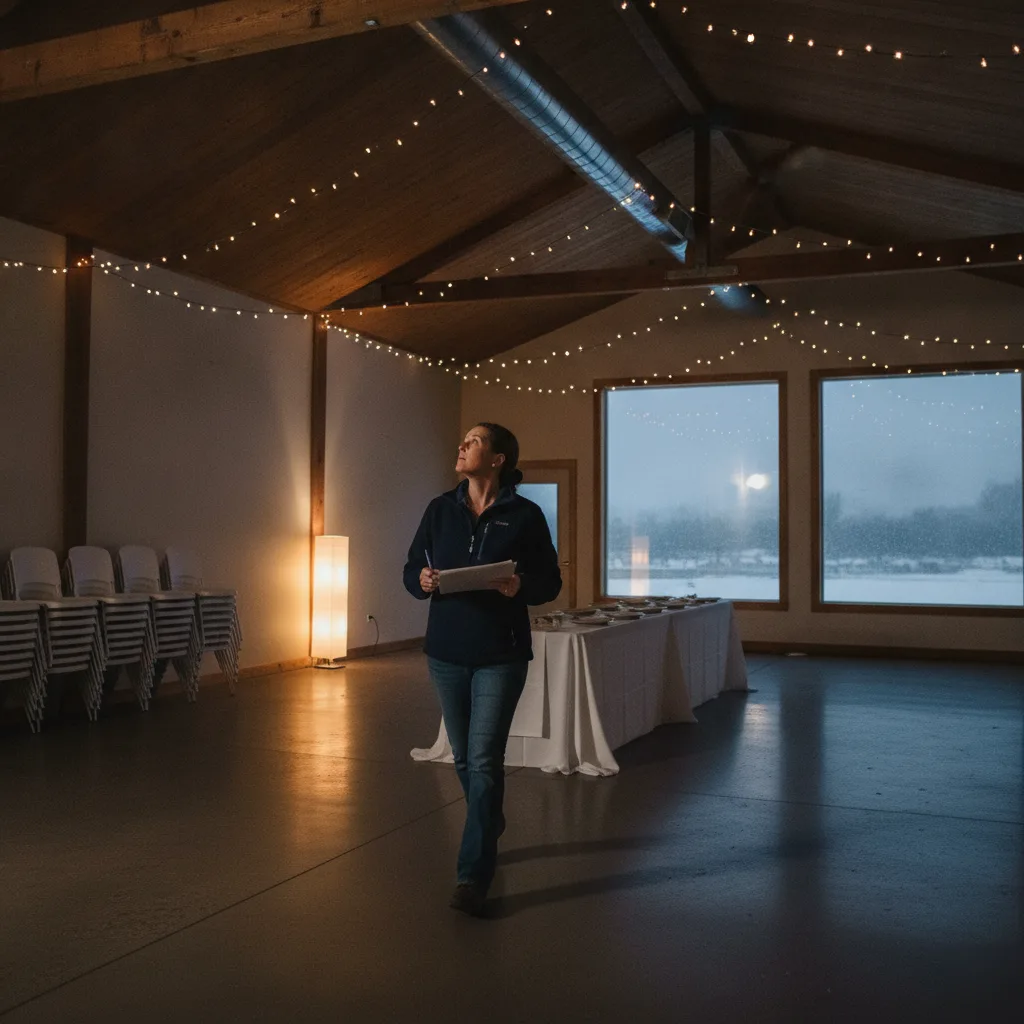
- Lower demand often means more scheduling flexibility for your ceremony and reception timeline
- Vendors and staff usually have more room to focus on your specific requests
- Indoor wedding venues sidestep most weather worries entirely, rain or snow
- Guests traveling from out of town may find travel easier during quieter travel weeks
- You get more say over small details like decor lighting installation and seating chart planning
One couple we worked with picked a January date almost as a joke, thinking no one would want to attend. Their reception ended up warm, cozy and full of laughter, and their guests still talk about it. That's the thing about rare months. They surprise people.
And here's something most couples don't realize until they're deep in planning: an all-inclusive wedding package doesn't change based on the calendar. Catering for weddings, banquet menu options, wedding timeline coordination, it all works the same in November as it does in July.
The risk isn't the month.
The risk is picking a venue that can't flex with you, no matter what month you choose. A private wedding venue built for ceremony and reception in one location removes a lot of that worry right away. You're not juggling multiple locations or hoping the weather cooperates between stops.
Grand Junction's off-season months also tend to have shorter daylight, so lighting matters more. A good indoor space with the right decor lighting installation can turn a short winter afternoon into an evening that feels timeless. We plan for that on purpose, not as an afterthought.
So if you're eyeing a date that feels unusual, don't second-guess it just because it's rare. Rare can mean personal, quiet, memorable, and a little less stressful to plan around. It also fits a broader shift in how couples are rethinking their wedding day, choosing dates and settings that feel meaningful to them rather than following the calendar.
Host Your Wedding at Redlands
Redlands Mesa provides space for both wedding ceremonies and recptions.