
What Is the Average Cost of a Wedding Venue in 2026? A Grand Junction Guide
National wedding cost averages get quoted constantly, but they lump huge cities in with tiny towns. Grand Junction has its own pricing patterns, shaped by our venues, our vendors, and our size. A national number simply won't tell you what your day costs here.
Your average wedding venue cost depends on local factors. You've probably seen the headline. Some wedding survey claims the average venue costs a certain amount in 2026, and that figure gets passed around everywhere. Here's the problem: that average blends a barn wedding in a small town with a ballroom wedding in a major city. The two have almost nothing in common.
We see this mix-up all the time. A couple calls us with a number stuck in their head from an article, and it doesn't match anything they're finding in Grand Junction. That's not because they did something wrong, it's because the national average was never built for a market like ours.
Think about it this way. A national survey usually pulls data from thousands of weddings spread across huge metro areas and rural counties alike. Cities like New York or Los Angeles pull the average way up. Smaller markets pull it back down. So the number you end up with isn't really an average of anywhere, it's an average of everywhere, and that's not much help when you're planning your actual wedding.
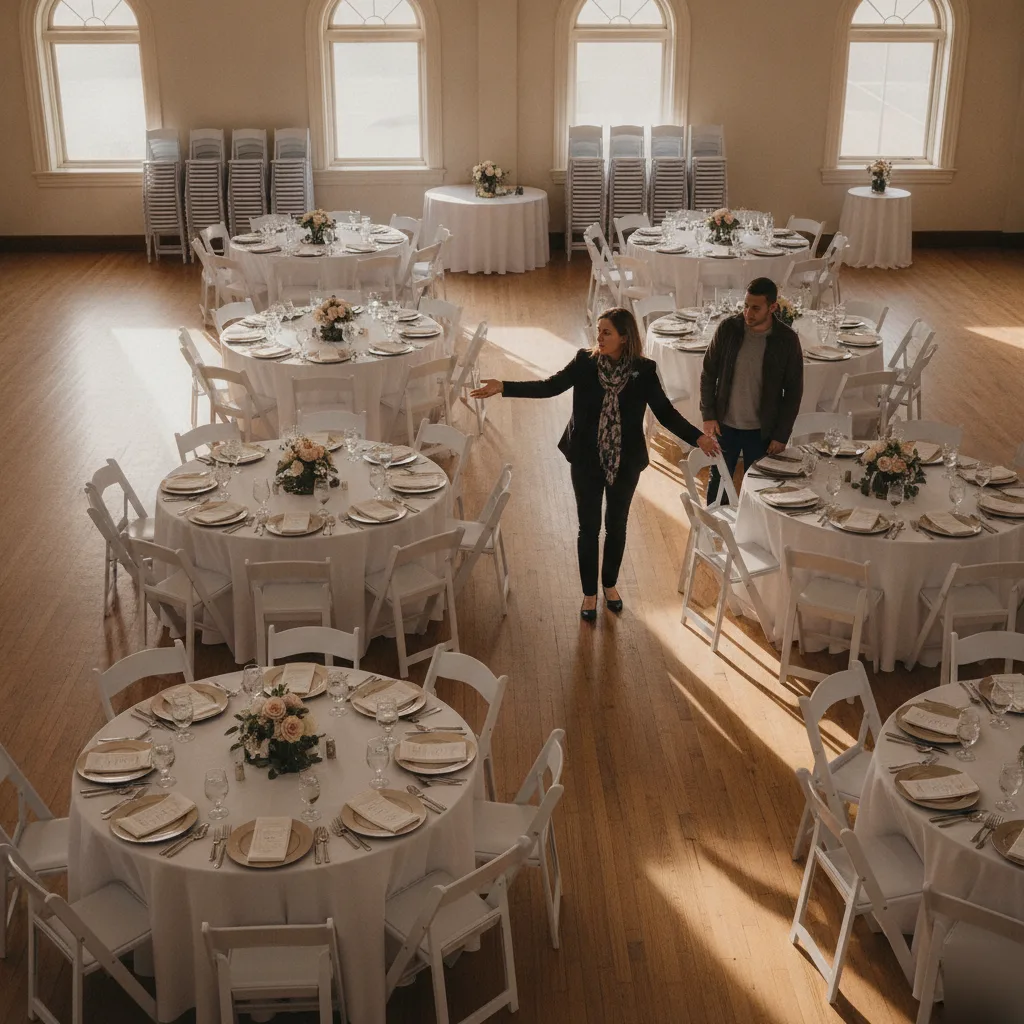
- City size and cost of living change venue pricing more than almost anything else
- Peak wedding season timing shifts demand differently depending on the region
- Local vendor availability affects whether catering and rentals are bundled or separate
- Indoor versus outdoor venue options vary by climate, and our high desert setting shapes what's available
Grand Junction sits in a spot where outdoor scenery and indoor comfort both matter. Our weather swings from warm summer afternoons to cool evenings, so couples often want a space that can handle both. That kind of flexibility isn't something a national average accounts for at all.
So what should you look at instead? Local venue listings. Real conversations with venues in your area. And a clear picture of what's actually included in the price, not just the headline number.
This is where all-inclusive wedding packages start to make more sense than piecing everything together yourself. When ceremony and reception happen in one location, you're not juggling five separate quotes and hoping they add up to something reasonable.
A lot of couples don't realize this until they're deep into planning, and then it clicks.
Season and Day of the Week Move the Price the Most
Here's something a lot of couples don't think about until they start calling around: the date you pick can swing your venue cost more than almost anything else. Grand Junction has real seasons, warm summers, cool winters, a gorgeous fall, which means demand isn't spread evenly across the calendar.
Peak wedding season around here runs roughly May through September. Warm weather, longer daylight, and easy travel bring the most bookings. Because so many couples want those same weekends, venues can charge more for them. Demand does that everywhere.
Day of the week matters just as much as the month. A Saturday in June is the busiest slot most venues have all year. Friday and Sunday dates usually cost less. Weekday weddings, think Tuesday or Wednesday, often cost the least of all.
- Peak season (late spring through early fall) tends to bring higher venue costs due to demand
- Saturday dates are usually the most requested and priced accordingly
- Friday and Sunday weddings often come with lower costs than Saturday
- Weekday ceremonies, off-peak months, or morning events can bring costs down further
- Holiday weekends can go either way, some couples love them, some avoid them for cost and guest availability reasons
We've talked with couples who assumed fall was always cheaper. Not necessarily. Grand Junction's fall colors near the Colorado National Monument draw plenty of interest, so some fall weekends book up fast too. Winter, on the other hand, tends to be quieter. Fewer couples want an outdoor ceremony in January, so venues often have more open dates and more flexibility.
So what should you do with this? Start by asking yourself what matters more, a specific date or a lower cost. If you're flexible, even by a season or a single day, you'll likely see a real difference.
Here's a quick scenario. One couple we talked with really wanted a Saturday in July. But when they looked at a Friday in September instead, they found better availability and an easier planning timeline. Same venue, same feel, different date.
This is one reason we always ask couples about their flexibility first, before anything else. It changes the whole conversation.
Guest Count Changes the Math More Than People Expect
Here's something a lot of couples miss at first: your guest count matters more than almost any other choice you'll make. Add ten more guests and your catering bill grows. Add fifty more and you might need a bigger room, more staff, and a longer reception timeline. We see this mistake all the time, couples pick a venue before locking in a guest list, then scramble later.
Think about it this way. A 50-guest wedding and a 150-guest wedding are two completely different events, even at the same venue. More chairs. More plates. More time to move people through a buffet line. And more space needed for a dance floor rental to feel usable instead of cramped.
So where do the breakpoints usually show up? In our experience working with couples in Grand Junction, the jumps tend to land around these guest counts.
- Under 50 guests: often qualifies as an intimate wedding venue setup, lower catering totals, simpler seating chart planning
- 50 to 100 guests: the most common range, requires a solid wedding timeline coordination plan so dinner and dancing don't collide
- 100 to 150 guests: needs more staff for banquet catering services and usually a bigger footprint for the ceremony and reception
- Over 150 guests: pushes many venues to their max capacity, and can mean renting extra tables, chairs, or a larger dance floor
Here's a real scenario. A couple planning for 80 guests decides to invite extended family late in the process. Now they're at 110. Suddenly the room feels tight, the caterer needs a new headcount, and the seating chart has to be redone. This happens more than you'd think, especially with destination-style Grand Junction weddings where out-of-town family often RSVPs late.
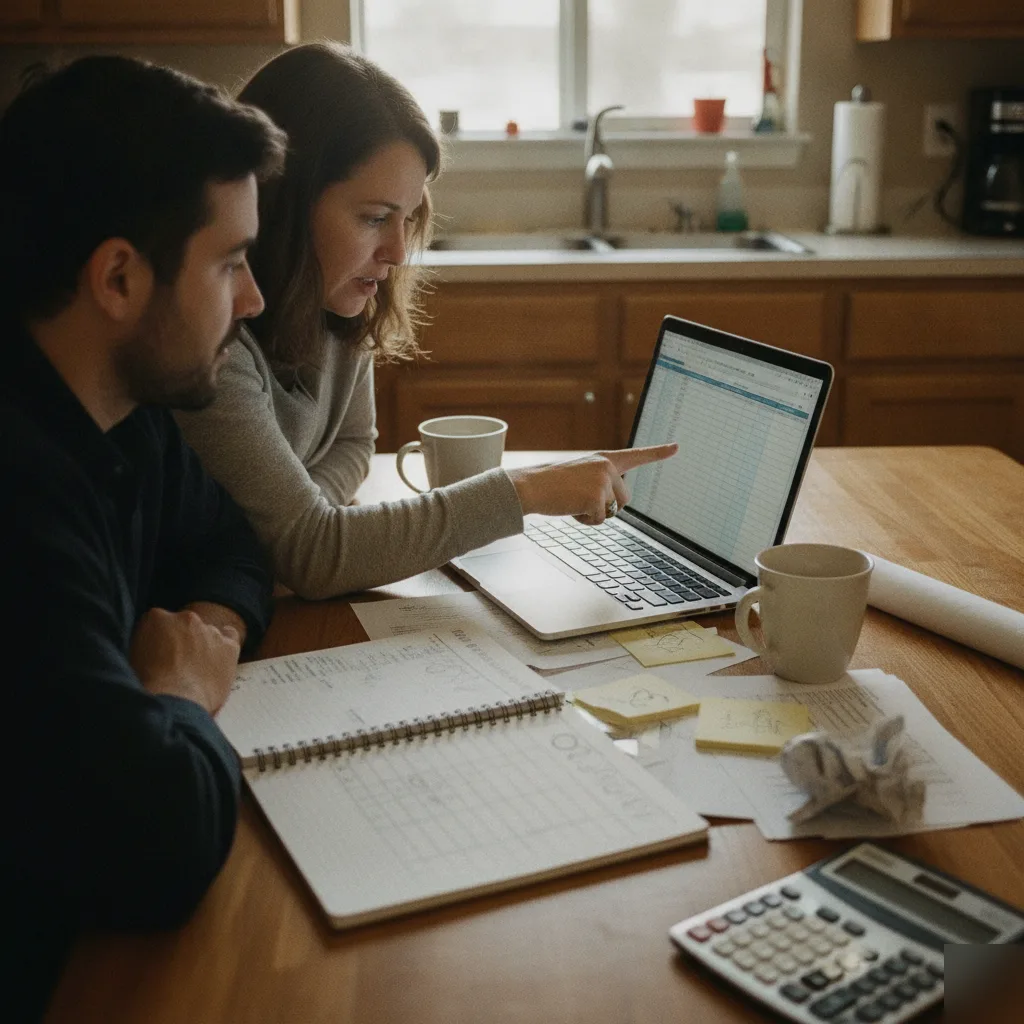
Bigger guest counts don't just raise the catering total, they ripple into decor, staffing, and even how long your ceremony and reception can comfortably run. More people means more time for introductions, toasts, and moving between spaces if your venue isn't set up for ceremony and reception in one location.
This is why an all-inclusive wedding packages structure works so well for a lot of couples. Instead of guessing how each guest count change affects five different vendor contracts, you get one clear number that adjusts with your list. It takes the guesswork out of the equation.
Our advice? Nail down your guest count range before you fall in love with a specific room. Even a rough range, say 80 to 100, helps you compare venues instead of comparing apples to oranges. For national context on why wedding spending keeps rising, recent reporting shows couples are budgeting thousands more than they did just a few years ago.
Host Your Wedding at Redlands
Redlands Mesa provides space for both wedding ceremonies and recptions.