
What Does a $10,000 Wedding Look Like in 2026? Real Examples From Grand Junction Couples
Guest count is the number one factor that shapes a $10,000 wedding in 2026. Every extra guest adds cost to food, drinks, seating, and rentals, so couples who want to stay near $10,000 usually keep their list under 80 people. We see this play out again and again with Grand Junction couples planning at our venue.
The wedding venue you pick anchors it all. Here's the truth: your guest count changes almost every other number in your budget. Catering, rentals, seating, even your cake size all move up or down based on how many chairs you need to fill. A 150-guest wedding and a 60-guest wedding are two completely different financial plans, even if the couples share the same vision.
We've watched couples fall in love with a big guest list, then panic when the quotes come back. So they cut fifty names, and suddenly the math works again. It's not about loving your guests less. It's about being honest with yourself early.
Most real $10,000 weddings we see land somewhere between 50 and 90 guests. That range lets you keep catering costs manageable while still having a full dance floor and a room that feels alive, not empty.
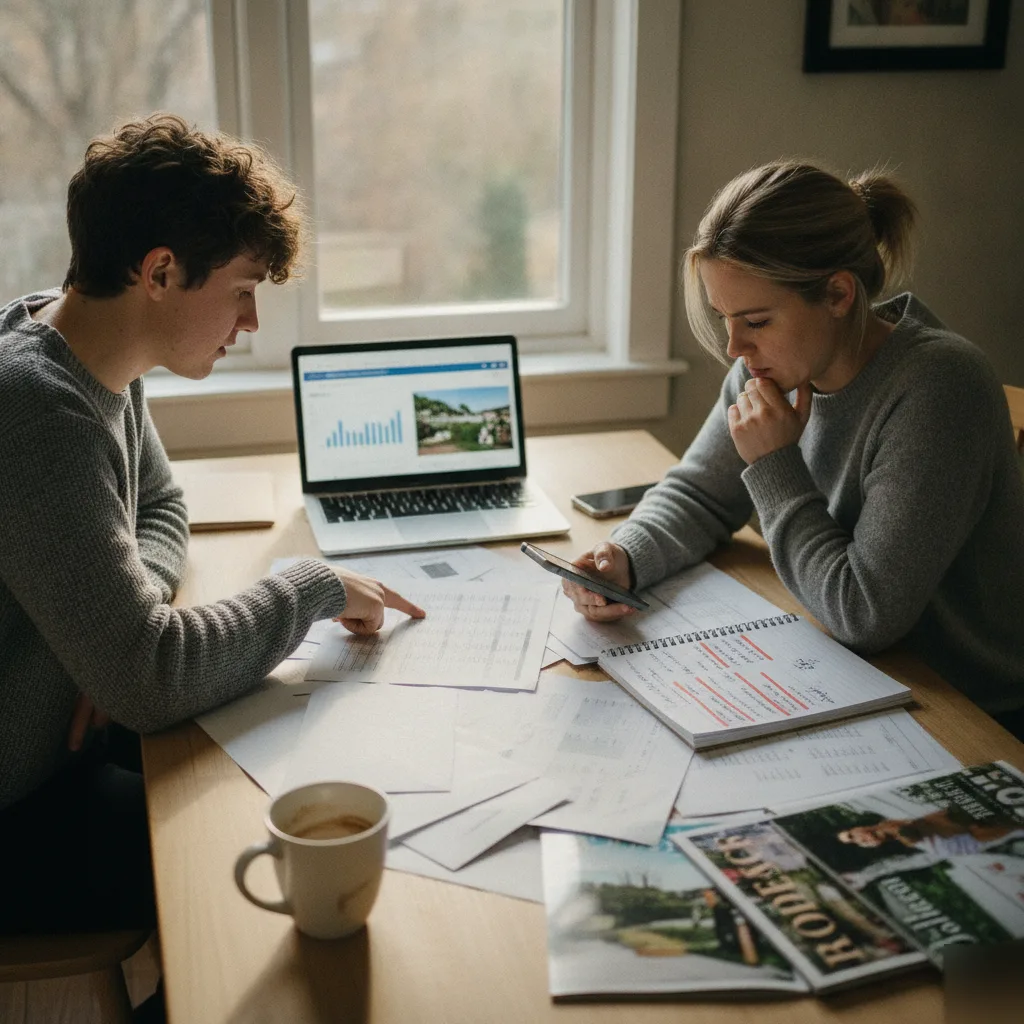
- Catering per plate cost multiplies fast, ten extra guests can add hundreds of dollars
- Rental needs grow too, more chairs, more linens, more tables
- Seating chart planning gets harder with a bigger list, more logic puzzle than love story
- Bar service costs climb with every added guest, especially for open bar setups
- Smaller guest counts often mean better vendor availability on your date
Grand Junction couples have an advantage here. Many families in the area are used to smaller, close-knit celebrations, so trimming the list doesn't feel unusual. And a tighter guest count means your reception can feel warm instead of stretched thin across a huge hall.
One couple we worked with started at 140 guests on paper. They kept adding coworkers, distant cousins, plus-ones for people they'd never met. By the time they sat down and really looked at the numbers, they cut the list to 75. Their reception felt full, their budget felt calm, and they told us the day felt more personal because of it.
So before you build a budget, build your guest list first. Everything else follows from that one number.
A venue that includes ceremony and reception in one location can help stretch a smaller guest count further too, since you're not paying for multiple locations or extra transportation between them.
What a $10,000 Wedding Breakdown Includes
So where does the money go on a $10,000 wedding? This is the question every couple asks us first, and it's a fair one. Most wedding budgets get split across five or six main categories, not dozens of tiny line items. That's good news, because it means you can plan with a clear head instead of a spreadsheet full of guesses.
Industry data from The Knot's Real Weddings Study shows venue and catering usually eat up the biggest chunk of any wedding budget, often close to half. That holds true whether you're planning in Grand Junction or anywhere else in Colorado. The rest gets divided between photography, attire, flowers and decor, and day-of coordination.
- Venue and catering: roughly 40 to 50 percent, since food and space are non-negotiable
- Photography and video: usually 10 to 12 percent, this is the one memory you keep forever
- Attire, hair, and makeup: around 8 to 10 percent for both partners combined
- Flowers, decor, and lighting: typically 8 to 10 percent depending on how much you DIY
- Coordination, rentals, and small extras: the remaining 10 to 15 percent
Here's the part nobody tells you: every one of those categories comes with its own delivery fees, setup charges, and rental minimums. A separate venue, a separate caterer, a separate rental company for chairs and a dance floor, the fees stack up fast. We've seen couples lose 15 percent of their budget to logistics before a single flower gets ordered.
This is exactly why all-inclusive wedding packages exist.
When your ceremony and reception happen in one location, you skip a whole category of hidden costs. No separate delivery fee for chairs. No second rental truck for the dance floor. No extra hours paying vendors to travel between sites. Bundling catering for weddings, decor lighting installation, and day-of wedding coordination into one plan means your $10,000 stretches across fewer invoices and more actual experience.
A real example helps here. Picture a couple with 60 guests choosing an indoor wedding venue with catering, seating chart planning, and wedding timeline coordination included. They're not juggling five contracts. They're working from one number, and that number does not move once they've signed. That kind of clarity is worth more than people expect, until they've lived through the alternative.
Budget planning for a wedding works best when you build it around fewer moving parts, not more.
Real Examples: Three Ways Couples Make $10,000 Work
Numbers on a spreadsheet don't mean much until you see a real couple make it work. So let's walk through three Grand Junction couples and how they built a $10,000 wedding around smart venue choices. Each one leaned on a package that bundled the big stuff, so they weren't chasing down five separate vendors.
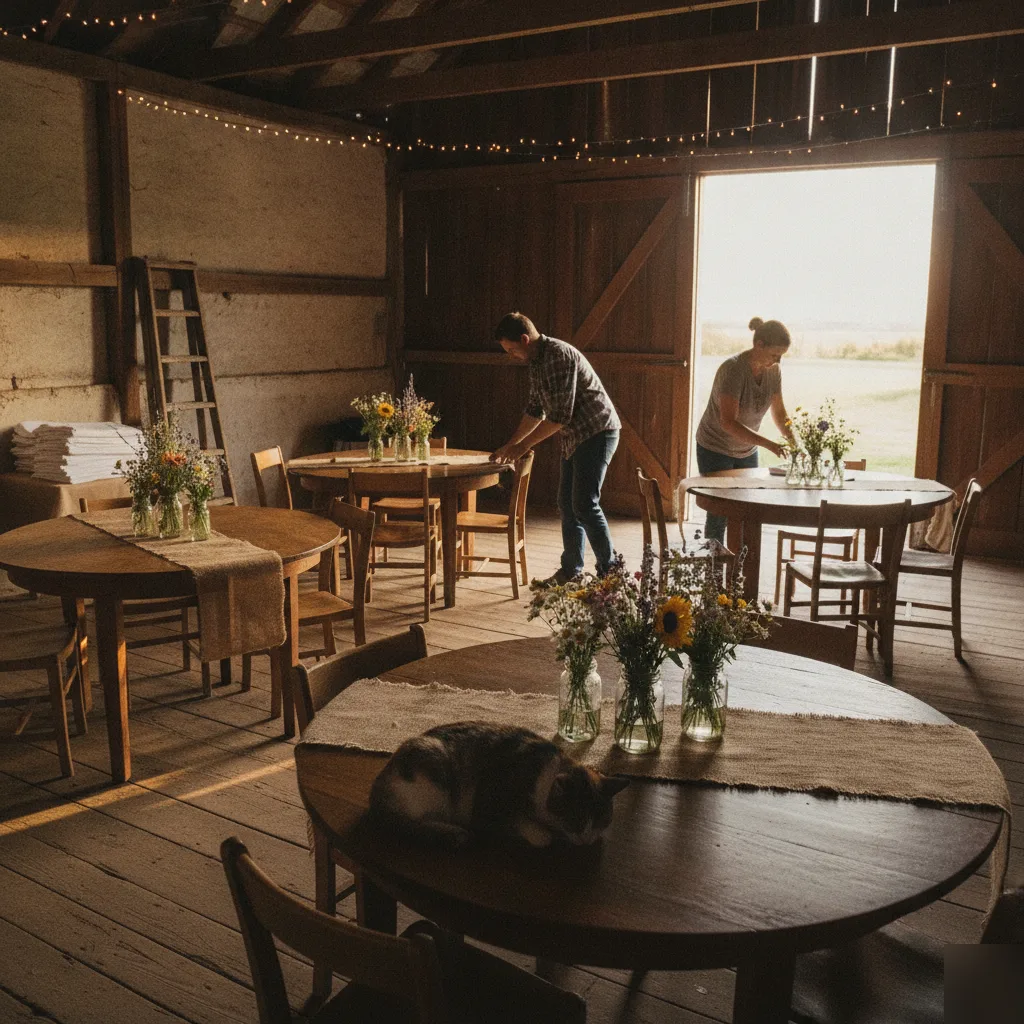
Couple one wanted an outdoor ceremony with mountain views but didn't want to haul chairs, tables, and a sound system across town. They picked an outdoor wedding venue that also handled the reception in one location. That single choice cut out rental delivery fees, a second venue deposit, and hours of coordinating logistics between two addresses.
Couple two had a smaller guest list, around 40 people, and wanted something intimate. An intimate wedding venue fit perfectly. They used an all-inclusive wedding package that folded in the wedding menu and day-of wedding coordination. And because seating chart planning was already part of the package, they never had to figure out place cards at midnight.
Couple three loved the idea of a golf course backdrop but worried it would feel too formal for their style. It didn't. The venue's indoor space handled their reception when evening winds picked up, a common thing here in the valley come fall. They used decor lighting installation to dress up the room instead of renting a second set of string lights from an outside company.
- One location for ceremony and reception, cutting travel time and setup costs
- An all-inclusive wedding package covering catering, coordination, and decor
- Budget planning built into the early conversations, not left as an afterthought
- Wedding timeline coordination so the day runs on schedule without a hired planner
- Indoor and outdoor options under one roof for weather backup
Here's what these three couples have in common: none of them treated $10,000 as a limitation, they treated it as a target. Every one of them started with the venue first, then filled in details around it. That's backwards from how a lot of couples plan, most start with a dress or a date and scramble to fit the venue in later.
We see this pattern a lot in Grand Junction weddings. Couples who book a venue with catering, coordination, and decor already built in spend less time managing vendors and more time planning the parts they care about, like the playlist or the toast.
Firsthand Note:
In our experience walking couples through their first venue tour, the ones who ask about all-inclusive packages upfront almost always land closer to their target than the ones who piece things together vendor by vendor. For couples who want more general guidance, expert advice on planning a wedding on a realistic budget can help set priorities before the first vendor call.
Host Your Wedding at Redlands
Redlands Mesa provides space for both wedding ceremonies and recptions.