
How Much Does It Cost to Build Your Own Wedding Venue? A Grand Junction Guide
Building your own wedding venue costs more than most people expect, thanks to land, utilities, permits, and parking. Grand Junction's climate and zoning rules pile on their own layer of cost too. Most couples who bring this question to us end up realizing that renting an existing venue saves them months of stress and a lot of money.
So what really drives up the cost of building a wedding venue from the ground up? It's rarely just the building itself. Land, utility hookups, and permits often cost more than the actual structure does. We've talked with couples in Grand Junction who started pricing land near the Redlands, only to discover that water and sewer lines weren't anywhere close to the property line.
Here's something most people don't think about until it's too late: a wedding venue needs far more infrastructure than a typical building. You need enough parking for a hundred-plus cars. You need restrooms rated for large groups. And you need a kitchen or catering space built to handle banquet-style service.
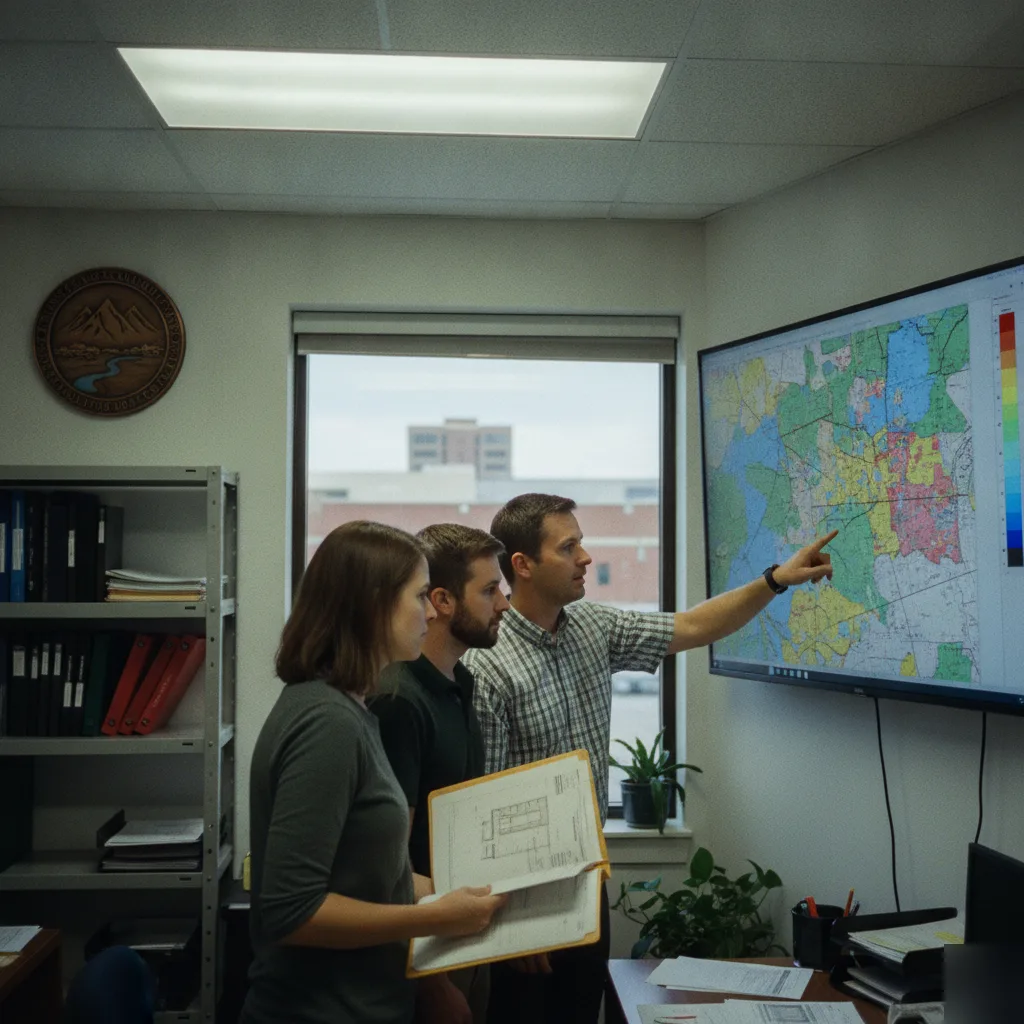
- Land purchase and site prep, including grading for flat, usable event space
- Utility connections for water, sewer, electrical, and gas lines
- Permits and inspections tied to Mesa County building and zoning rules
- Parking lot construction sized for wedding-sized crowds
- Climate-ready construction, since Grand Junction sees hot summers and cold winter nights
- Landscaping and outdoor features if you want a ceremony lawn or garden space
Land costs alone can swing wildly depending on location. A flat, buildable lot near town costs more than raw acreage out toward the Grand Valley, but raw land often needs grading, wells, or septic work before anyone thinks about a dance floor.
Utility hookups are the hidden cost nobody warns you about. Running water and sewer lines to a rural property can take months and add a serious chunk to your budget. Electrical upgrades for lighting, sound, and kitchen equipment pile on even more.
Permits and inspections aren't optional, either. Mesa County has specific rules covering event spaces, occupancy limits, fire code, and accessibility. Miss one step, and your opening date slips by weeks or even months.
And then there's the weather. Grand Junction gets over 300 days of sunshine a year according to NOAA climate data, which sounds great until you're planning for summer heat above 95 degrees or a surprise spring wind storm. Any structure you build needs climate control and sturdy construction to handle both extremes.
This is usually the point where couples pause and ask a good question. Does it really make sense to build something from scratch when a venue like ours already has the parking, the kitchen, the permits, and the dance floor ready to go?
We get it, a custom-built venue sounds romantic. But the real cost isn't just money, it's the time you could be spending on your actual wedding plans.
Why Your Land Determines the Before the Building Does
Before you price out a single barn or tent, your land has already set the budget. Most people ask about square footage or building materials first, but that's backwards. We've watched folks fall in love with a pretty pasture near the Colorado River, only to find out grading and drainage would eat their whole budget before a wall ever goes up.
Grand Junction sits in a high desert valley, and that shapes everything about how you build here. Soil can be rocky, clay-heavy, or both on the same plot. That means soil testing isn't optional, it's the first bill you'll pay.
- Slope and grading: flat land near the Redlands may still need leveling for parking and dance floor stability
- Water access: wells or municipal hookups near Orchard Mesa can run thousands before you build anything
- Soil type: expansive clay soils common in Mesa County can crack foundations without proper prep
- Flood zones: land near the Gunnison or Colorado River may require elevation studies or flood insurance
- Access roads: unpaved or seasonal roads can add real cost for guest and vendor traffic
Here's a scenario we see a lot. A couple buys five acres out past Fruita, convinced a barn venue will pay for itself in a few seasons. Then the well permit takes four months. The soil report comes back bad. Suddenly, the land that felt like a bargain costs more than a finished venue would have.
Zoning is its own maze. Mesa County treats agricultural land and commercial event land very differently. You might need a special use permit just to host guests overnight or serve alcohol. Some parcels near Palisade look ideal for vineyard-style weddings, but county setback rules near water can shrink your usable space fast.
So what does this mean for your wallet? Land cost is only the entry fee. The real spending starts with what the land demands from you after that.
We're not saying it can't be done. We're saying most people underestimate it by a wide margin, and that gap is exactly where budgets break.
This is exactly why couples end up comparing raw land costs against an existing venue that already solved these problems. A place with grading done, water in place, and permits cleared saves you a season of guesswork, sometimes two.
Permits and Zoning Steps That Shape Your Timeline and Costs
Permits are the part nobody warns you about. You budget for lumber and lighting, and then zoning throws a wrench into the plan. Mesa County has its own rules for land use, parking, septic, and occupancy limits, and so does the City of Grand Junction if your land sits inside city limits. Those rules decide how big your venue can be, how many guests you can host, and how long you'll wait before you host anyone at all.
Most raw land in this area is zoned for agriculture or residential use, not commercial events. That means you'll likely need a rezoning application or a special use permit before you pour a single foundation. We've seen couples assume a barn or open field is ready to go, only to learn it needs a conditional use permit first. That single step alone can take months.
Here's a general sequence most new venue builds in this area follow. Timelines shift depending on your land and how busy the county office happens to be that season.
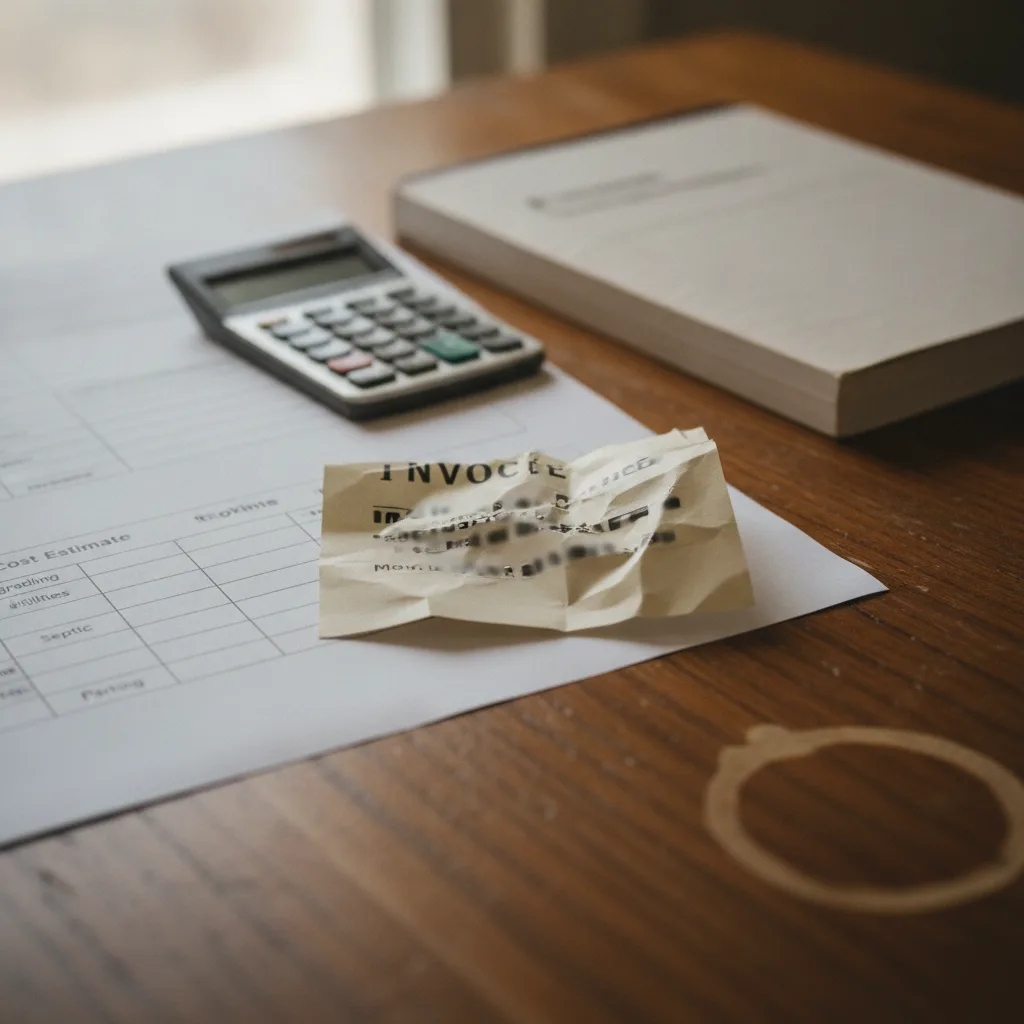
- Confirm current zoning with Mesa County or city planning staff before buying or building.
- Apply for a conditional use permit or rezoning if the land isn't already zoned for commercial events.
- Submit site plans showing parking, restrooms, and fire access to meet occupancy code.
- Get building permits for any new structure, plus electrical and plumbing permits.
- Schedule a health department review if you plan to serve food or drinks on site.
- Pass fire marshal inspection for exits, sprinklers, and guest capacity limits.
- Receive your certificate of occupancy before hosting your first event.
That's seven steps before you even start decorating, and each one comes with its own waiting period. Rezoning alone can take 60 to 90 days in many counties, longer if neighbors object at a public hearing. Building permits add more weeks once plans are submitted. So a project that felt like a six-month build often stretches past a year once the permitting delays stack up.
Fire and occupancy codes deserve extra attention too. A barn that looks perfect for 150 guests might legally hold only 80 without a second exit or a sprinkler upgrade. We've watched excited owners redesign their whole layout after a fire marshal walkthrough. That's a costly redo, and it's avoidable with earlier planning.
Septic and water access matter just as much, especially on rural Grand Junction properties without city utility hookups. A septic system rated for a house won't handle a wedding crowd. Upgrading it means engineering reports, county approval, and construction, none of which shows up in a rough construction estimate.
This is exactly why so many couples and small business owners skip the permitting maze altogether. Building your own venue means owning every one of these approvals yourself, start to finish.
Local Insight:
Grand Junction's mix of rural and city-zoned land means two properties a mile apart can face totally different permit paths. Always check with the county before assuming a piece of land is ready for events. For couples in the early stages, browsing real wedding planning inspiration can help set realistic expectations before you commit to building.
Host Your Wedding at Redlands
Redlands Mesa provides space for both wedding ceremonies and recptions.