
Ceremony-to-Reception Flip Time at Grand Junction Venues
Most couples picture the flip as just rearranging chairs. It's so much more than that. A ceremony-to-reception flip means turning one space into something that looks and feels completely different, and it all has to happen while your guests enjoy cocktail hour nearby.
Here's what actually goes down during a typical flip at a Grand Junction venue that hosts both your ceremony and reception in one place:
- Clear the ceremony seating. Every chair gets moved, restacked, or repositioned into reception arrangements. For 100 guests, that's a lot of furniture moving fast.
- Set up reception tables. Round tables, rectangular tables, sweetheart tables. Each one gets placed according to your seating chart layout.
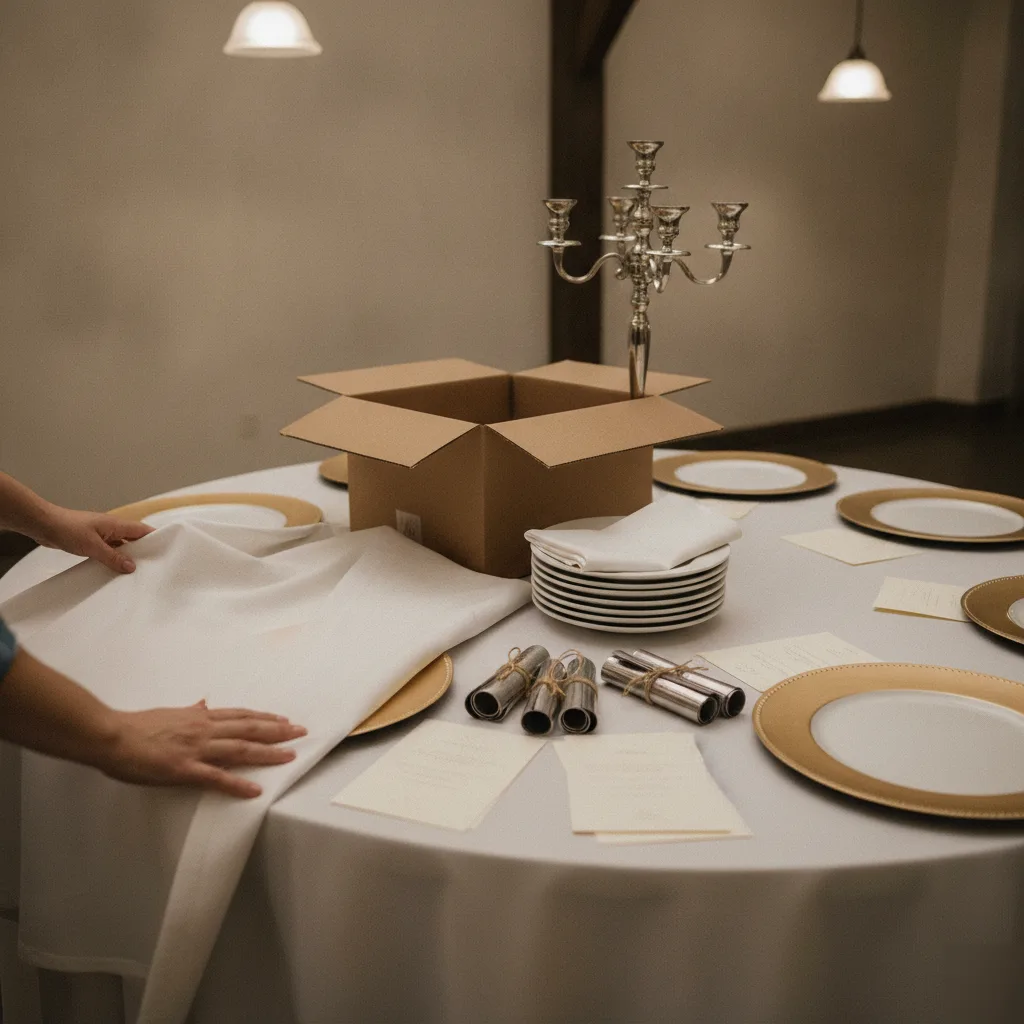
- Lay out linens and place settings. Tablecloths go down first, then plates, glasses, silverware, napkins. Every table needs to match your vision.
- Install decor and centerpieces. Flowers, candles, table numbers, favors. Your event decoration team handles this piece by piece.
- Adjust the lighting. Ceremony lighting runs bright and natural. Reception lighting shifts warmer, more intimate. That shift makes a real difference in how the room feels.
- Prep the dance floor area. If your ceremony used that same space, the dance floor setup happens now. Speakers get repositioned, DJ equipment gets tested.
- Final walkthrough. Someone from the coordination team checks every detail before guests walk back in.
We see couples underestimate steps three and four the most. Linens and decor take real time, they can't be rushed without things looking sloppy.
Why the Space Matters
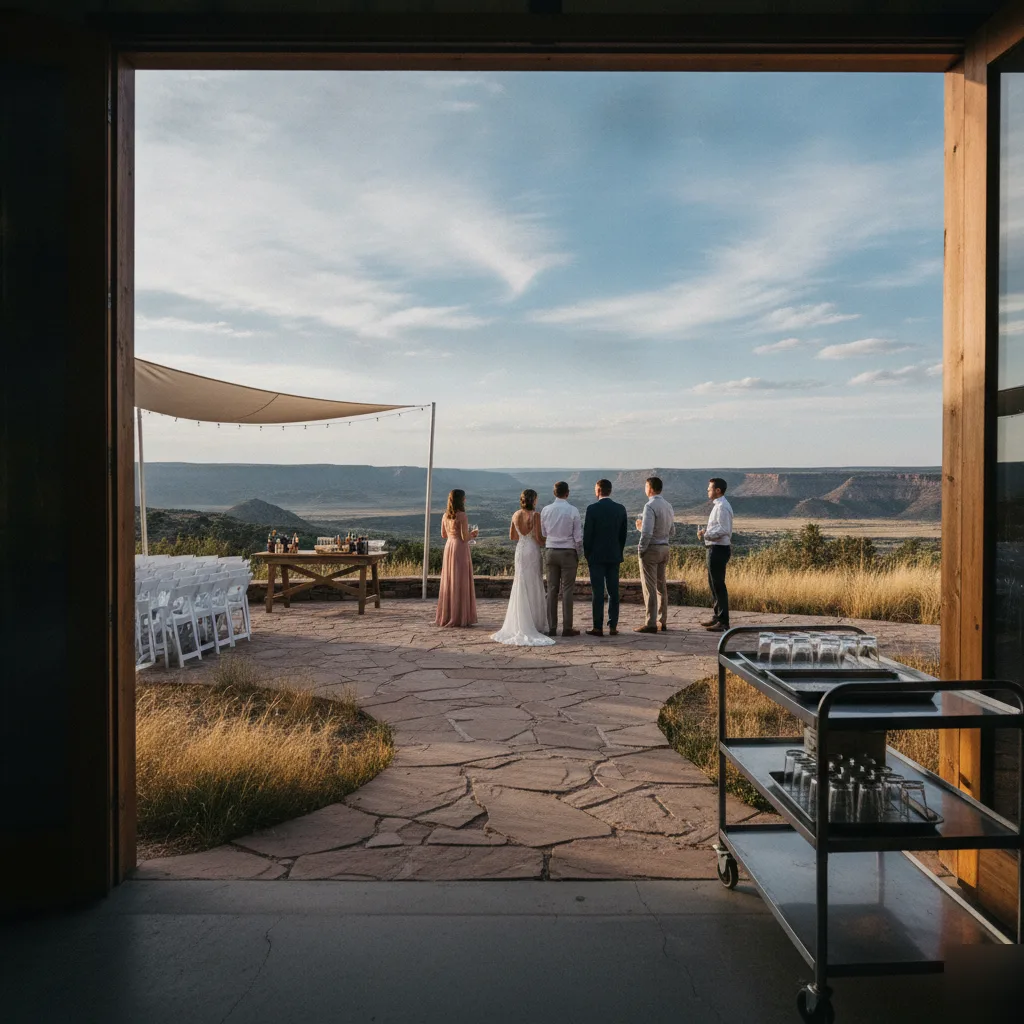
Not every venue handles a flip the same way. A large banquet room at a country club works differently than a tight indoor space. At a golf course wedding venue in Grand Junction, guests can wander the grounds near the Bookcliffs while your team works inside. That breathing room is a gift.
But a smaller intimate wedding venue? The flip crew needs a tighter plan.
Who Does the Work
This is the part most people don't think about until it's too late. The flip doesn't happen by magic. You need a team, and you need a plan.
Some venues include flip staff as part of their wedding service. Others expect you to bring your own crew or hire a day-of wedding coordination team to manage it. The difference between a smooth flip and a stressful one almost always comes down to who's in charge.
We've watched flips fall apart when nobody was assigned to lead. Chairs end up in the wrong spots. Centerpieces go on the wrong tables. The timeline slides, guests get restless during a cocktail reception that drags on too long.
And we've watched flips run like clockwork when there's one person with a clipboard calling the shots. That person knows the floor plan, the timeline, where every votive candle belongs.
Think of the flip as a mini event inside your event. It needs its own plan, its own crew, its own schedule. If your venue offers day-of coordination as part of the package, that's one less thing on your plate. If you want to see how we handle all of this so you don't have to stress, check out our wedding planning page for the full picture.
How Long a Venue Flip Takes on Average
Most ceremony-to-reception flips take between 60 and 90 minutes. That's the honest answer we give every couple who asks. But that number shifts depending on a few key things.
Guest count matters a lot. A flip for 50 guests moves faster than one for 150. Fewer chairs to rearrange, fewer table settings to place, less ground to cover. We've seen intimate wedding venue flips wrap up in 45 minutes flat. Larger events with more involved layouts can push past the 90-minute mark.
What Happens During Those 60 to 90 Minutes
People picture a flip as just moving chairs around. It's way more than that. Here's what actually happens in sequence:
- Ceremony chairs get cleared or repositioned into reception seating arrangements.
- Tables come out of storage and get placed according to your seating chart layout.
- Linens, centerpieces, place settings, and table numbers go down on every surface.
- The dance floor gets set up or revealed if it was covered during the ceremony.
- Lighting shifts from ceremony mood to reception energy.
- The DJ or band does a sound check for the new room setup.
- Catering gets staged, buffet lines or plated service stations get final touches.
Each of those steps overlaps when you've got a good team. That overlap is what keeps the flip under 90 minutes instead of stretching to two hours.
Why Grand Junction Venues Vary
Not every space works the same way. An outdoor wedding venue near the Colorado National Monument might need extra time if wind picks up, and Grand Junction wind is no joke, especially in spring when it funnels through the valley and catches everything in its path. A golf course venue with a separate patio for cocktails gives the crew more room to work.
The biggest time saver? Keeping your ceremony and reception on the same grounds. When everything stays in one place, there's no travel gap eating into your timeline. Your guests grab a drink, step outside, and the flip happens behind closed doors.
We see this play out every weekend. Couples who choose a venue with a built-in cocktail hour space barely notice the flip happened. Their guests are sipping drinks with red rock views, the crew is working inside, everybody's happy.
Here's something most people don't realize until it's too late. The flip time isn't just about speed. It's about your guests' experience during that window. Standing in a parking lot for an hour? That's a problem. Enjoying appetizers on a shaded patio? That same hour feels like part of the celebration.
So the real question isn't just how long the flip takes. It's whether your venue has a plan for your guests while it's happening.
A venue with strong day-of coordination will build the flip into your wedding timeline so it feels seamless. No awkward gaps. No confused guests wandering around looking for the bar. Just a smooth run from "I do" to the first dance.
And if your venue's team handles event setup as part of the package, that flip time drops even more. Fewer outside vendors means fewer people who need directions, fewer miscommunications, fewer delays.
Plan for 60 to 90 minutes, choose a venue that keeps your guests entertained during the flip, and trust a crew that's done this many times before.
Factors That Make a Venue Flip Take Longer
Not every ceremony-to-reception flip runs on the same clock. Some take 30 minutes. Others stretch past 90. The difference usually comes down to a handful of things you can plan around.
We see couples surprised by this all the time. They assume the flip is just moving chairs. But the real timeline depends on how much your space needs to change between ceremony and reception.
Room Layout and Furniture
The biggest factor is furniture. If your ceremony uses 150 chairs in rows and your reception needs round tables with place settings, that's a lot of physical work. Every table needs linens, centerpieces, and flatware. Every chair needs to be repositioned. A venue with a crew for this can move fast, but sheer volume still matters.
Compare that to a setup where ceremony seating stays mostly in place. Maybe you're using a golf course venue where the ceremony happens outdoors and the indoor space is already set for dinner. That kind of layout cuts flip time dramatically.
Decor Changes
Couples who want a completely different look for their reception add time. Swapping out floral arrangements, changing lighting, removing an arch or backdrop. Each piece takes hands and minutes.
Here's what tends to slow things down the most:
- Moving large ceremony structures like arches or arbors that need disassembly
- Resetting lighting from ceremony mood to reception energy
- Clearing and rebuilding a head table area that sat in the ceremony space
- Adding a dance floor where ceremony seating was
The more decoration elements that change, the longer it takes. Simple as that.
Vendor Coordination
Your flip doesn't just involve the venue team. Your florist might need access. Your DJ needs to set up speakers and test sound. Your caterer is plating food or arranging a buffet. If these vendors aren't coordinated on timing, they end up waiting on each other, one person blocks another person's workspace.
This is where day-of coordination makes a real difference. When everyone knows exactly when they walk in and what they're doing, the flip runs like a relay race instead of a traffic jam. We always tell couples to make sure their events coordinator has a minute-by-minute plan for the flip window.
The Space Itself
Grand Junction venues vary a lot in layout. Some have narrow hallways or single entry points that create bottlenecks when crews are hauling tables. Others have wide-open floor plans with direct outdoor access. A venue near the Colorado National Monument with separate outdoor ceremony space and indoor reception areas already staged means almost no flip at all.
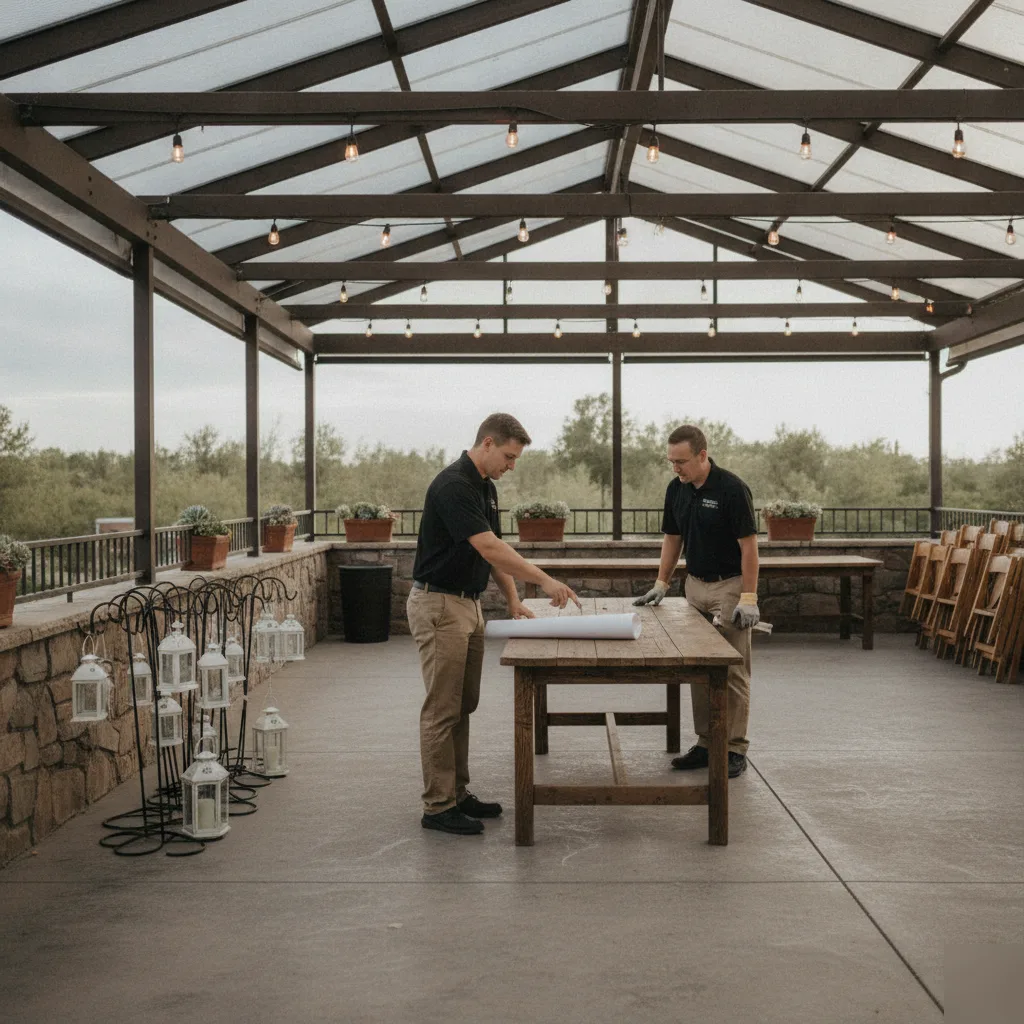
Older buildings with tight doorways? Those add time no matter how good your team is.
And don't forget weather. Grand Junction's dry climate is usually a friend to outdoor ceremonies, but a sudden summer afternoon storm, the kind that rolls in fast off the Monument around 3 p.m. in July, can force a last-minute move indoors. That unplanned change eats into your flip window fast.
What You Can Control
The good news is most of these factors are knowable before your wedding day. You can walk the space, talk through the flip plan, and build a realistic buffer into your timeline. Choosing a venue that handles both your ceremony and reception with a smart layout gives you a real head start.
One thing we've noticed after years of hosting weddings here: the couples who ask about the flip early always have smoother days than the ones who think about it the week before.
Host Your Wedding at Redlands
Redlands Mesa provides space for both wedding ceremonies and recptions.