
Music Volume at a Private Venue in Grand Junction
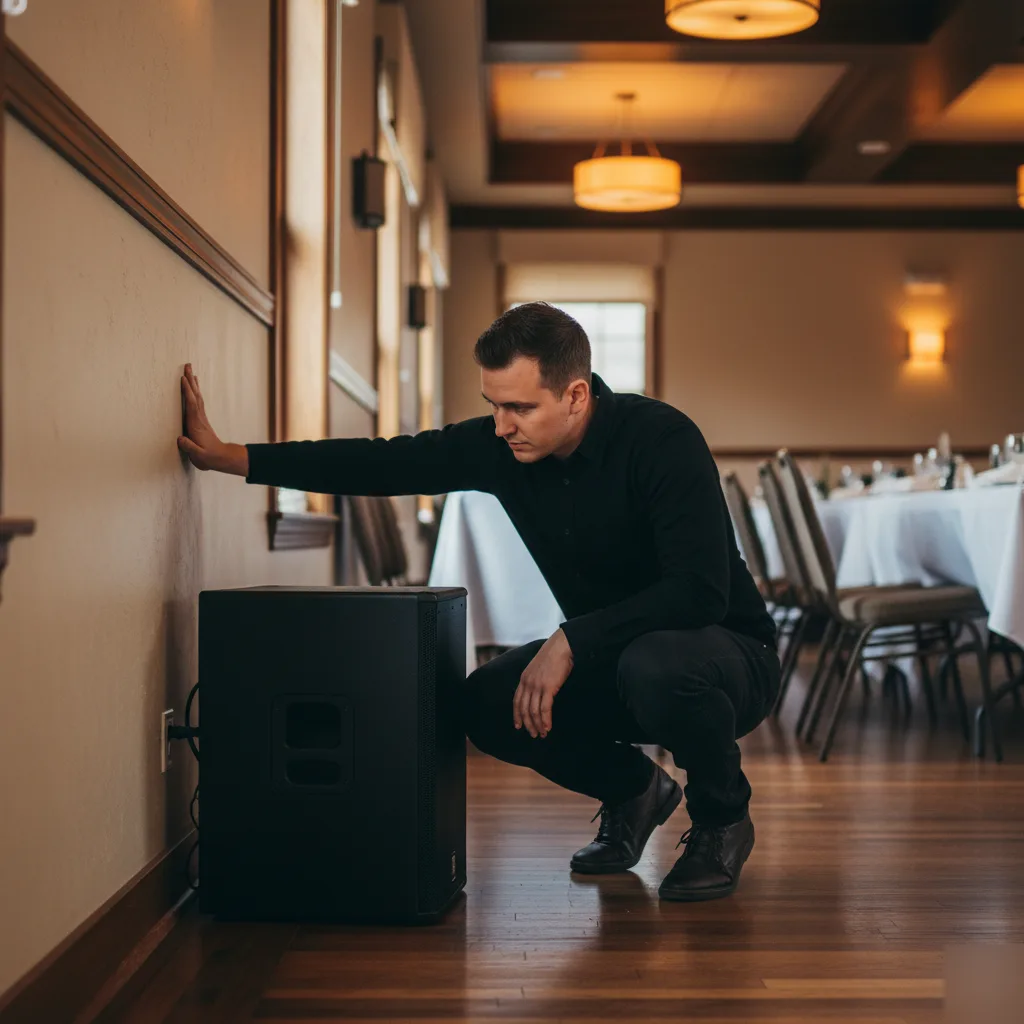
Short answer: yes. But "control" means different things depending on your setup. A phone plugged into a Bluetooth speaker is technically control. A professional sound system with a mixing board is also control. The results are not even close to the same.
We get this question a lot from couples booking private event spaces here in Grand Junction. They want to know if they'll be stuck with whatever volume the DJ picks, or if the venue's built-in speakers lock them into one setting. Most private venues do give you real say over how loud things get, but only if the right pieces are in place.
What actually determines your control comes down to a few things:
- The sound equipment available. Built-in speaker systems at a venue usually have a master volume you or your coordinator can adjust. Portable setups from a DJ or band give you even more flexibility.
- The room itself. Hard floors and high ceilings bounce sound around, so even moderate volume can feel loud. Carpeted spaces or rooms with curtains absorb sound and keep things comfortable.
- Who's running the music. A DJ reads the room and adjusts. A playlist on auto-play doesn't. Having someone actively managing volume throughout the night makes a big difference.
- Your event timeline. Dinner music should sit at conversation level. Dance floor music needs to be louder. The best setups shift volume at each phase of the event.
And that last point is one most people don't think about until the night of.
Picture a wedding reception at a private venue near the Redlands. During dinner toasts, guests need to hear every word. An hour later, you want the dance floor packed. Those are two completely different volume needs in the same room on the same night, and without a plan, one of those moments suffers.
Why the Venue's Layout Changes Everything
Grand Junction venues range from open-air outdoor event spaces along the Colorado River to enclosed banquet rooms with low ceilings. Sound behaves differently in each one. Outdoor spaces lose volume fast, no walls to contain it, so you need more speaker power just to reach the back row during a ceremony.
Indoor spaces are the opposite problem. Too much volume has nowhere to go. A room that seats 80 people can feel like a concert hall if the speakers are cranked. We've worked events where guests were stepping outside just to take a break from the noise, and that's a setup issue, not a volume issue.
So the real question isn't "can I control the volume?" It's "does this venue's setup let me control it well?"
The best private venues in Grand Junction handle this by offering wedding timeline coordination and day-of coordination. Someone is thinking about sound levels at each stage of your event. Cocktail hour gets one setting. Dinner gets another. Dancing gets its own. No guesswork, no scrambling.
Not every venue offers that kind of support. Some hand you a speaker and wish you luck. If you're still comparing options, what a venue includes in its coordination services tells you a lot about how your night will actually sound.
One more thing worth knowing. Grand Junction's city noise ordinances apply even at private venues. Outdoor events need to keep volume reasonable after 10 p.m. per Mesa County regulations. A good venue team already knows this and plans around it, so you're not getting a surprise visit from code enforcement during your last dance.
What a Sound Limiter Does and Why It Might Cut Your Music
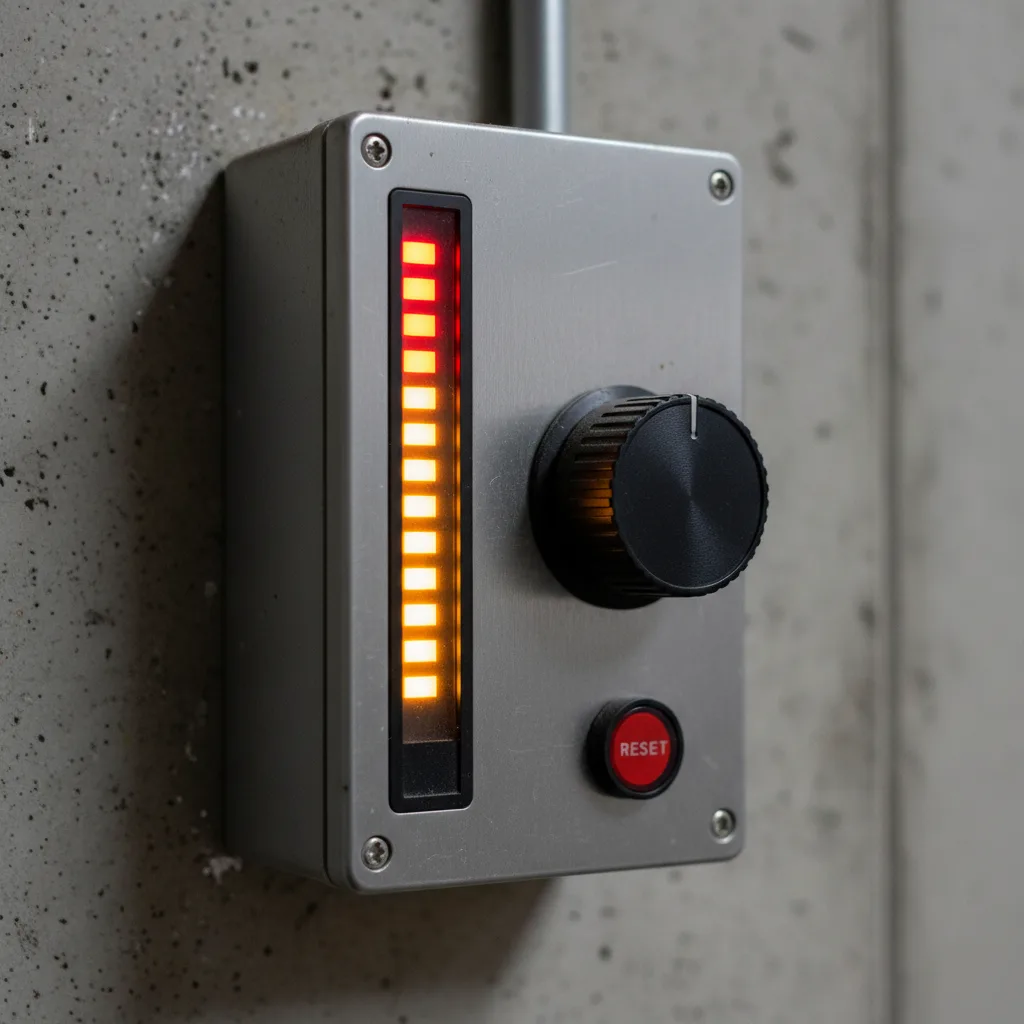
A sound limiter is a small device wired into a venue's audio system. It monitors decibel levels in real time. If the music gets too loud, the limiter kicks in and reduces the volume automatically, some cut power to the speakers entirely, others compress the audio signal so it stays below a set threshold.
Most people don't know these devices exist until their reception playlist suddenly goes quiet during the best song of the night at their private wedding venue.
Here's how it works in practice. The venue or local code sets a maximum decibel level. The limiter watches the room's volume constantly. When sound crosses that line, the device reacts. It doesn't care if it's your first dance or the DJ's biggest crowd moment. The limiter treats every spike the same way.
Why Venues Install Them
Grand Junction has a mix of indoor and outdoor event spaces near residential areas. Think about venues along the edges of the Redlands or near neighborhoods off Patterson Road. Sound carries far in the high desert air, especially on calm evenings when there's no wind to break it up. Venues in those spots often install limiters to head off noise complaints before they happen.
There are a few common reasons a private venue might use one:
- The venue sits close to homes or businesses with strict noise expectations
- Local noise ordinances require proof of volume control for event permits
- The venue's insurance policy demands a limiter as a condition of coverage
- Past events generated complaints that put the venue's reputation at risk
None of these reasons are about ruining your party. They're about the venue protecting itself. The result can still feel frustrating when you're the one hosting.
What It Feels Like When a Limiter Activates

We see this catch people off guard all the time. The DJ builds energy, the crowd gets loud, and then the speakers drop to half volume or cut out for a few seconds. It kills the momentum. Guests look around confused. The DJ scrambles to adjust levels.
Some limiters are more forgiving than others. A "soft" limiter gradually compresses the audio, you might not even notice it working. A "hard" limiter shuts things down fast. That's the one that causes real problems at receptions.
And here's what most people miss. The limiter doesn't just measure the speakers. It measures total room volume. So if your guests are cheering, clapping, or singing along, that ambient noise counts toward the decibel cap too. The limiter can trigger even when the DJ hasn't changed a thing.
Can You Work Around It?
Sort of. An experienced DJ or audio tech can read the room and keep levels just below the trigger point. It takes skill and constant attention. You can also ask the venue about the exact decibel threshold before you book, knowing that number gives your DJ something concrete to work with.
Some private event spaces in Grand Junction don't use limiters at all. They rely on distance from neighbors or soundproofing instead. If managing sound levels at your event matters to you, this is one of the first questions to ask during a tour.
The best approach is picking a venue where the sound setup already fits your vision. If you want a packed dance floor with loud music, you need a space built for that. If you're planning something more relaxed, a limiter probably won't bother you at all.
Before you sign anything, ask the venue three things: Is there a sound limiter? What's the decibel cap? And can your DJ do a sound check before the event? Those answers tell you everything you need to know about how your music will actually sound that night.
Bass Frequencies Travel Differently, and That's the Real Noise Problem
Here's what most people don't realize. It's not the music itself that causes complaints. It's the bass.
High-pitched sounds lose energy fast. They bounce off walls, get absorbed by furniture, fade quickly across open air. Bass frequencies pass right through solid walls. They travel through the ground. A neighbor two blocks away might not hear your singer's voice at all, but they'll feel that kick drum in their chest.
We see this mistake at private events in Grand Junction more than you'd think. Someone sets up a great sound system, keeps the overall volume reasonable, and still gets a noise complaint. The culprit is almost always low-end frequencies rattling through the venue's structure and into surrounding areas.
Why Bass Behaves This Way
Sound waves at low frequencies are long. A 60 Hz bass note has a wavelength of about 19 feet. That wave doesn't stop at a wall, it wraps around corners and passes through drywall and wood framing like they're barely there. According to the Acoustical Society of America, low-frequency sound can travel over twice the distance of mid-range sound before losing the same amount of energy. Research on safe listening at venues with amplified music also highlights how sound levels at live events affect both guests and surrounding areas, reinforcing why managing volume at the source matters.
So even if your venue has thick walls, bass finds a way out. It vibrates floor joists. It resonates through ductwork. Standard insulation barely slows it down.
What You Can Actually Do About It
Controlling bass at your private venue event takes a few specific steps. General volume knobs won't solve it.
- Ask your DJ or band to cut frequencies below 80 Hz on the main EQ. Most dance music sounds great without the sub-bass rumble that causes problems.
- Keep subwoofers off the floor. Place them on isolation pads or rubber mats. This stops vibrations from traveling through the building's foundation.
- Point speakers away from shared walls and neighboring properties. Aim them toward the center of your event space instead.
- Use a limiter on the sound system. This caps sudden bass spikes that happen during loud songs or DJ transitions.
- Do a quick walk-around test before guests arrive. Play music at your planned volume, then walk outside and toward nearby homes or businesses. You'll know right away if bass is leaking.
That walk-around test is something we always recommend for events near the Redlands or downtown Grand Junction. Those areas have homes and businesses close together, and bass carries fast when the air is still, which in the high desert, it often is by early evening.
A private venue with the right setup handles bass well. Indoor spaces with proper speaker placement contain sound far better than open fields or backyard tents. And a venue team that understands acoustics can position your entertainment so the dance floor stays loud while the parking lot stays quiet.
One scenario we've seen play out more than once: a couple books a wedding reception, hires a great DJ, and assumes volume is the only thing to manage. Nobody mentions bass. By 9 p.m. the neighbors are frustrated, not because the music was too loud overall, but because the sub-bass was shaking their windows. A simple EQ adjustment before the first dance would have prevented the whole thing.
If you want a space where sound is already managed for you, check out our private event space options. The right venue takes this worry off your plate completely.
Host Your Wedding at Redlands
Redlands Mesa provides space for both wedding ceremonies and recptions.