
Is Owning a Wedding Venue a Good Investment in 2026? A Grand Junction Perspective
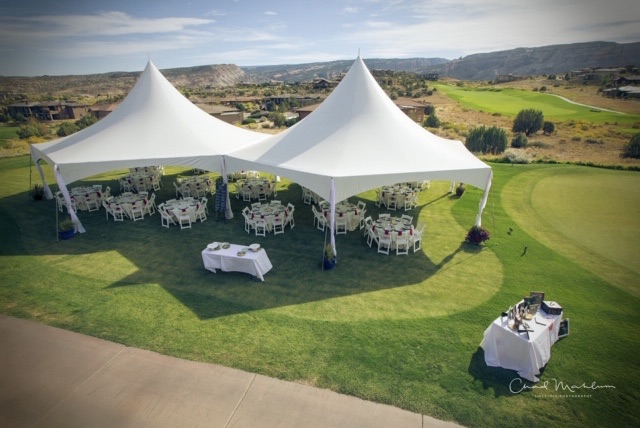
A wedding venue can be profitable, but rarely from wedding rentals alone. The venues that do well fill their calendar year-round, earn from food and services, and keep a close eye on upkeep and staffing. In Grand Junction, the short peak season makes off-season bookings a big part of the math.
Here's the honest answer. Yes, a wedding venue can make money. But not the way most people picture it.
Most folks imagine a busy Saturday with a happy couple and a full room. That's real. It's also just one slice of the picture. A venue's profit comes from how many days the doors are open and earning. It doesn't come from one great weekend.
We hear this question a lot from guests at our own weddings. They see the views, the dance floor, and the smiling families. Then they ask if we're getting rich. We laugh a little, the real story is more about planning than luck.
So what does the math look like? It starts with where the money comes from.
- Wedding venue rental for the ceremony, the reception, or both in one place
- Food and drink, since catering for weddings often earns more than the room itself
- Add-on services like day-of wedding coordination and decor lighting
- Weekday events such as a corporate event venue booking or meeting room rental
- Holiday party venue and birthday party venue bookings during the slow months
Notice something? Only the first item is the wedding itself. The rest is what keeps the lights on.
Grand Junction has a clear wedding season. Late spring through early fall is when couples want golden light over the Colorado National Monument and warm evenings outside. Peak Saturdays book fast. But winter in the Grand Valley gets quiet for outdoor weddings, and a venue that only does weddings feels that gap hard. That's why we lean on holiday parties, team events, and fundraisers when the weather turns.
Costs are the other half. Some are easy to see. Others sneak up on new owners.
- Staffing for events, cleanup, and setup, which grows with every booking
- Grounds and building upkeep, especially lawns and patios in our dry climate
- Insurance, permits, and liquor rules that need regular attention
- Marketing to keep the calendar full months ahead
- Wear and tear on tables, chairs, and the dance floor
Most people don't realize this until year one ends. The summer looked amazing on paper. Then the water bill, the repairs, and the quiet months all show up at once -
Here's a scenario we've seen play out. A new owner books twenty great summer weddings. Every couple leaves happy. But the venue sits empty from November to March. By spring, those summer gains are mostly gone. A nearby venue with fewer weddings but steady weekday events ends the year in better shape.
Same building. Different math.
And that's the core point. Profit in this business is about keeping the calendar full. It's not about charging more per wedding. The venues that last treat every room and every weekday as a chance to host something.
If you're a couple reading this, there's good news for you too. A venue that runs well year-round tends to have a seasoned team. They know the timeline cold. They've handled the rain plan and the late vendor. That experience shows up on your day.
How Seasonal Weather Shapes Wedding Venue Demand
Weather runs your calendar. It decides which Saturdays book first and which sit empty. In Grand Junction, that's mostly good news.
We sit in the high desert. Our days are sunny much of the year. Rain is rare. And the views of the Colorado National Monument and the Book Cliffs look great in almost any season. But each season brings its own quirks. A smart wedding venue owner plans around all of them.
Here's how demand tends to move through the year in the Grand Valley:
- Late spring is a top pick. Days are warm and the valley turns green, though afternoon wind can kick up fast.
- Summer stays busy despite the heat. Couples just push ceremonies later, after the sun drops behind the Monument.
- Fall is the crowd favorite. Cool evenings and harvest season out toward Palisade make September and October book early.
- Winter slows down for weddings. Indoor space fills instead with holiday parties and corporate events.
See the pattern? Two strong peaks and a solid summer. Then a quieter stretch from about November through March.
Summer heat surprises a lot of out-of-town couples. Midday in July can feel brutal on an open lawn. So timing matters more than the month. Picture a couple who wants an August ceremony at 4 p.m. Guests in suits would bake. We'd steer them toward a 7 p.m. start instead. The light is golden, the air is cooler, the photos look better. Same date. Much happier guests.
Late summer adds one more wrinkle. Monsoon storms can roll in on hot afternoons. They're usually short, but they're loud and windy.
This is where indoor space earns its keep.
We've moved ceremonies inside with a couple hours' notice more than once. Couples don't panic when they know the backup room is already set. An outdoor-only wedding venue can't offer that. Its whole booking depends on the forecast. That's a risky way to run a business, and it's a stressful way to plan your day.
Winter is the real test for any owner. Weddings drop off, the bills don't. So what fills those months? Other events. Holiday parties are a natural fit in December. Corporate events, fundraisers, and seminars pick up in January and February. Banquet catering and meeting room rentals keep the kitchen and staff busy. A venue that hosts only weddings will feel the slow season hard. A venue that also hosts private events has a much steadier year.
Most new owners don't realize this until their first January. They planned for June and forgot about the rest -
There's a quieter upside too. Off-season dates appeal to couples who want a smaller, more intimate wedding. Some don't mind a crisp winter evening with the mesa dusted in snow. Those bookings add up over time.
So does weather make a wedding venue in Grand Junction a good bet? It can. Our climate gives you long busy seasons and great scenery. But the venues that do well plan for heat, wind, and storms. They have indoor and outdoor space. And they keep the doors open for more than weddings.
Ranch and Acreage Property: The Realistic Path to Venue Ownership
Most new venue owners in Grand Junction don't build from scratch. They start with land that's already here. A ranch out past Whitewater. An old orchard in Palisade. A few quiet acres in the Redlands with the Colorado National Monument glowing at sunset.
That's why acreage is the realistic path. The scenery is already done for you. So is the open space for parking and a ceremony lawn. You're adding to something, not inventing it. And couples here want that view. We see it every season, they light up the second they step outside.
But land with a view isn't the same thing as a wedding venue.
The gap between the two is where most dreams stall. Before you sign anything, walk the property with a hard eye. Here's what we'd check first.
- Zoning and permits. Mesa County often treats events on rural land as a separate use, so call the planning office before you buy.
- Water and septic. A full wedding crowd puts far more strain on a system than one family ever will.
- Road access for guests and fire trucks. Narrow gravel lanes can turn into a real problem after dark.
- Neighbors and noise. Music travels a long way across open orchard land.
- Weather backup. Summer heat and afternoon wind off Grand Mesa mean you'll need covered space somewhere.
None of these are deal breakers by themselves. Together, they can be. We hear from people who skipped this step all the time.
Here's a common story. A couple buys five acres near Fruita. They picture barn weddings under string lights. Then the county asks about parking, restrooms and a septic upgrade. The barn needs fire exits. The neighbors start asking questions about Saturday night music, and the timeline they planned on -
So how do you avoid that? Go slow. Build in phases.
- Confirm zoning and permit rules in writing before you close on the land.
- Host a few small events first, like intimate ceremonies or private parties.
- Add the basics next. Restrooms, parking and lighting come before anything pretty.
- Build a covered or indoor space once you know your real demand.
- Grow your guest counts only after your systems can handle them.
Each step pays you back a little before the next one starts. That's the whole idea. Less risk, more learning.
One more thing most people don't realize until they're in it. Owning the land is the easy part. Running the day is the work. On a wedding Saturday we're handling the ceremony, the reception, catering, the timeline, the seating chart and the dance floor. All in one location. All before the sun sets behind the Monument.
Can you picture yourself doing that every weekend from May through October? If yes, acreage might be your path.
If you'd rather see how an established venue runs a wedding day, come take a look at ours. We're happy to show you how the pieces fit together.
Frequently Asked Questions
Do wedding venue owners make good money?
Wedding venue owners can make good money, but it rarely comes from weddings alone. Profit depends on filling the calendar with food service, add-on bookings, and weekday events like corporate meetings or holiday parties. In Grand Junction, owners who only book Saturday weddings struggle through winter. The ones who stay profitable treat every open day as a chance to host something, not just the big summer weekends.
Is holding event space a profitable business model on its own?
Holding space alone is not usually enough to make a venue profitable. Most of the real earnings come from catering, drinks, coordination services, and extra rentals like lighting or decor. Space rental is just the entry point. If you want a clearer picture of how this works for Grand Junction properties, our parent guide on wedding venue investment breaks down the full revenue mix in more detail.
What is the 50/20/30 rule for weddings, and does it affect venue income?
The 50/20/30 rule is a budgeting guide some couples use to split wedding costs, often putting around half toward the reception, a fifth toward attire and rings, and the rest toward extras. For venue owners, this matters because reception spending, including catering and rentals, tends to be the biggest line item. That's why food and add-on services often earn more for a venue than the room rental itself.
How does Grand Junction's weather affect whether a wedding venue is a good investment?
Grand Junction's dry, sunny climate helps most of the year, but winter slows wedding bookings sharply. Late spring through early fall stays busy with golden light near the Colorado National Monument. Winter months need other income, like holiday parties and corporate events, to keep revenue steady. A venue built only for outdoor summer weddings will feel that seasonal gap much harder than one with flexible indoor space.
What's a common mistake new venue owners make when judging profitability?
A common mistake is judging profit after one strong summer season without planning for the slow months. A new owner might book twenty great weddings, then sit empty from November through March. Those early gains can disappear fast once bills, repairs, and upkeep costs land during the quiet stretch. Looking at year-round numbers, not just peak season, gives a much more honest read on whether ownership pays off.
Can a venue stay profitable without hosting weddings every weekend?
Yes, a venue can stay profitable even with fewer weddings if it fills gaps with other bookings. Weekday meetings, birthday parties, and holiday events all bring in steady income without depending on peak wedding season. Some Grand Junction venues with lighter wedding schedules end the year stronger than busier ones, simply because they kept the calendar full in other ways throughout the slower months.
Play at an Award Winning Golf Course
2325 W Ridges Blvd,
Grand Junction, CO 81507
(970) 255-7400