
Is a DIY Wedding Cheaper? Pros and Cons for Grand Junction Couples
.png)
What Counts as a DIY Wedding, Really
A DIY wedding means you handle tasks a venue or planner would normally do. That's stuff like decor, coordinating catering, and setting everything up. Does it save money? It depends a lot on how much you truly DIY versus just calling it that. Most couples end up doing some of both. That changes the math completely.
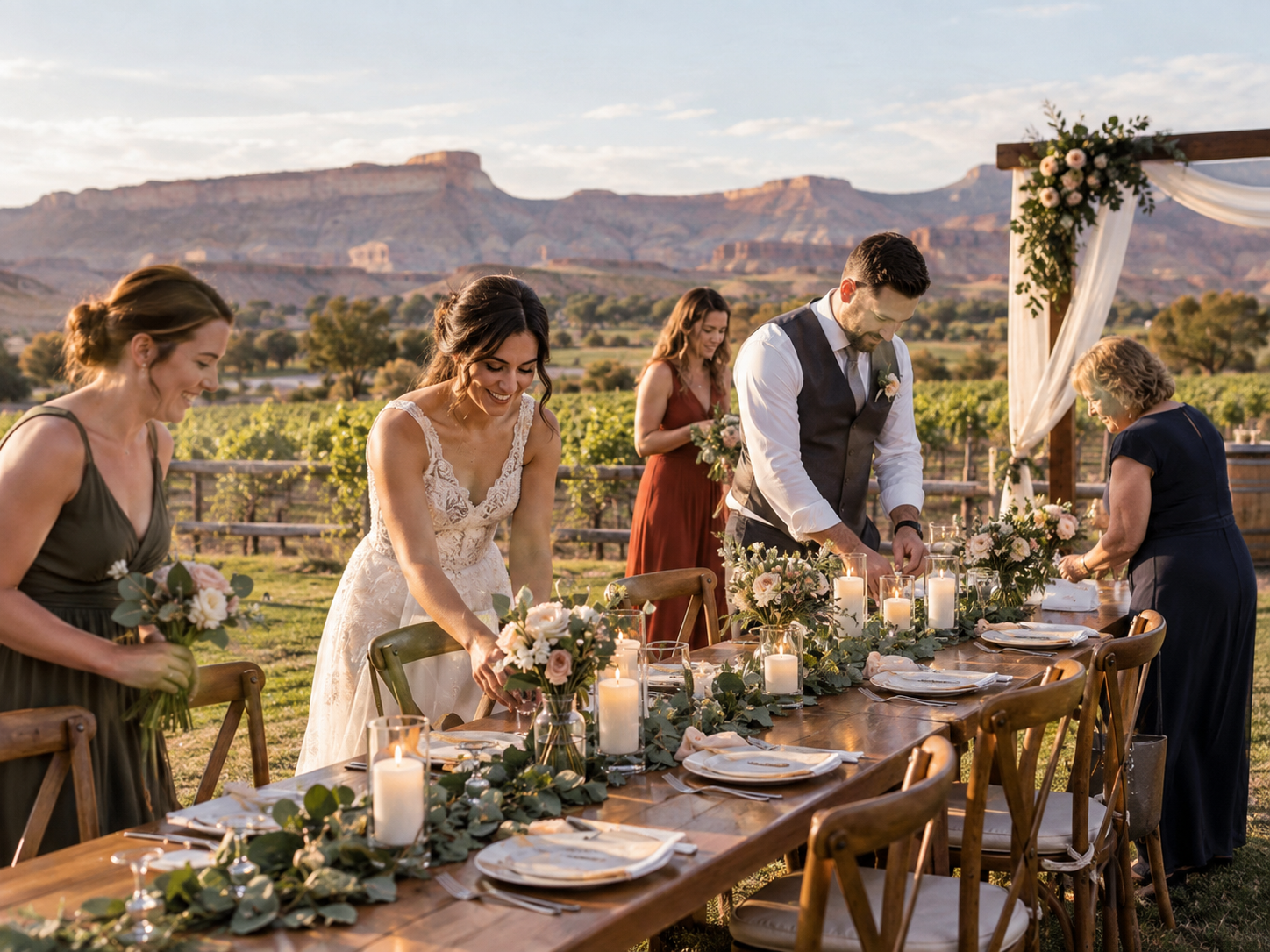
Let's clear something up first. The answer really depends on what you mean by DIY. Some couples think DIY means making their own centerpieces. But others mean renting a totally bare backyard. Then they build the entire event from scratch-tables, chairs, lighting, food, all of it. Those are two very different projects. And two very different price tags.
We talk to couples in Grand Junction all the time. They say they're doing a DIY wedding. But when we dig into the details, most are only DIYing a few pieces. Maybe they print invitations. Or a friend does the flowers. That's not the same as running the whole show yourself, you know?
So what counts as DIY? Here's the honest breakdown. This is based on what we see couples take on.
- Finding and booking a raw space, like a park, backyard, or empty barn, with no setup built-in
- Renting and hauling tables, chairs, linens, and dance floor pieces yourself
- Coordinating your own catering, whether that's cooking or hiring separate vendors
- Handling day-of coordination like setup, teardown, and vendor timing without a professional events coordinator
- Sourcing your own decor, lighting, and rentals from multiple companies
That last one trips people up more than they expect. Decor lighting installation sounds simple. It's not. You're standing in a field at 7 AM trying to find power. Grand Junction weather doesn't always cooperate either. Wind off the Colorado National Monument can turn a beautiful outdoor setup into a scramble, fast.
Here's the thing nobody tells you upfront. Full DIY isn't one task. It's dozens of small jobs. They stack up fast. Booking the space is one job. Renting furniture is another. Lining up catering, managing the timeline, setting up chairs, cleaning up after-that's five more jobs. Each one takes time. Each one can go wrong without someone with experience watching over it.
This is exactly why so many couples start with big DIY plans. Then they end up doing a hybrid. They keep the parts they love. Maybe picking their own wedding menu items, or building their own seating chart. But they hand off the heavy lifting. An all-inclusive wedding venue with ceremony and reception in one location, tables and a dance floor already there, removes a huge chunk of the DIY workload. It keeps your personal touch.
We've watched couples realize this halfway through planning.
One couple we worked with had planned a full backyard DIY wedding for 80 guests. Three months out, they were still hunting for a caterer, a tent company, and someone for day-of coordination. They switched to our all-inclusive wedding packages instead. They kept their personal decor touches without losing their minds over logistics.
So, get honest about what your version of DIY really includes. That's the only way the cost comparison means anything.
Where DIY Saves Money
So, does going DIY actually save money? In some spots, yes. We've watched Grand Junction couples save real money by picking the right projects. The trick is knowing which tasks are worth your Saturday afternoons. And which ones just look like savings on paper.
.png)
Small, low-risk items are where DIY shines. Think centerpieces, table numbers, welcome signs, or favors. A couple getting married near the Colorado National Monument last fall spent one weekend making mason jar centerpieces with wildflowers from a local shop. Total cost was under a hundred bucks for twelve tables. A florist quote for the same look would've run several times that-trust us, we see these numbers all the time.
- Paper goods: invitations, programs, and menu cards made at home with templates
- Simple decor: signage, table runners, photo displays
- Favors and welcome bags assembled yourself instead of ordered pre-made
- Music playlists built on a streaming app instead of hiring a DJ for cocktail hour
- Addressing and stamping invitations instead of paying a calligrapher
Notice what's on that list. Small. Low stakes. Nothing that ruins your day if it's slightly imperfect. A crooked table number is fine. A collapsed cake stand at 5 PM is not.
Buying decor in bulk and reselling or donating it after also helps. Grand Junction has a decent secondhand market for wedding decor. Couples often recoup some cost by selling items in local Facebook groups after the big day. That's a real, measurable saving. Not just a guess.
Doing your own flowers for smaller arrangements can save money too. This is especially true with the Western Slope's easy access to seasonal blooms. Sunflowers and lavender grow well here. They cost far less than imported florist stock. But bridal bouquets are trickier. They need to survive hours of handling and photos. Most first-timers underestimate how fast stems wilt in dry Grand Junction heat.
One more place DIY pays off: guest favors and welcome bags. Buying snacks and small gifts in bulk from a warehouse store and assembling them yourself is almost always cheaper than ordering pre-packaged sets. And you can add a local touch, like a postcard of the Colorado National Monument.
Here's the pattern worth remembering.
DIY tends to save money when the task is small, forgiving, and doesn't need special skill or equipment. It stops saving money the moment it requires rental gear, technical skill, or hours you don't have. And that's exactly where a lot of couples run into trouble. We'll get into that next.
Where DIY Creates Hidden Costs
Here's where it gets tricky. A DIY wedding looks good on paper, but the real costs show up later. We've watched couples in Grand Junction start small and watch the budget grow week by week. Renting chairs is one price. Renting tables, linens, a dance floor, lighting, and a sound system? That adds up fast. Most people don't think about delivery fees, damage deposits, or the extra hours you pay if setup runs long.
So where do the hidden costs hide? Usually in the stuff nobody talks about until they've already paid for it.
- Rental delivery and pickup fees for tables, chairs, and a dance floor rental
- Extra labor costs for setup and teardown, since most rental companies don't include that
- Weather backup plans for outdoor spots, like tents or heaters for cooler Grand Junction evenings
- Permits or insurance for using a park or private outdoor space
- Lost deposits when a borrowed venue falls through close to the date
We saw this happen with a couple who planned a backyard wedding last fall. They had a guest list of 120 people. The yard could fit them, technically, but they needed a tent, a generator, portable restrooms, and extra lighting once the sun went down. Those four items alone cost more than a full evening rental at a private wedding venue with everything already built in. Honestly, this is the part most people overthink.
Catering is another spot where costs creep up. Cooking for 20 people is manageable. Cooking for 100 guests, keeping food warm, and cleaning up after? That's a different job. Most couples end up hiring help anyway, they just didn't plan for it from the start. Same goes for day-of coordination. Someone has to run the timeline, manage vendors, and handle problems as they pop up. If that's not you or a hired planner, it's usually a friend or family member who ends up working instead of celebrating.
Decor is sneaky too. Buying lights, centerpieces, arches, and signage one piece at a time feels affordable at the moment. But those small purchases stack up. And a lot of that decor gets used once. Then it's stored in a garage.
This is why an all-inclusive wedding venue in Grand Junction can end up costing less in real terms. The upfront number looks bigger. But when your ceremony and reception happen in one location, with decor lighting installation, a dance floor, and catering for weddings already worked into the package, you're not chasing down five different vendors. And you're not hoping they all show up on time.
We're not saying DIY is a bad choice for every couple. Some people genuinely enjoy building every piece themselves, and that's fair. But if your goal is saving money, not just spending it differently, it helps to see the full picture before you commit to doing it all yourself.
Frequently Asked Questions
Is a DIY wedding really cheaper than hiring a venue with everything included?
Not always. DIY weddings save money on small items like centerpieces and favors, but costs pile up fast once you rent chairs, tables, and lighting separately. Many Grand Junction couples find that hidden fees for rentals and hauling wipe out their early savings. A venue that already includes tables and a dance floor often ends up costing about the same, with far less stress. Comparing your full DIY task list against an all-inclusive wedding package gives you the real answer.
How do I know which wedding tasks are safe to DIY and which aren't?
Stick to small, low-risk tasks like signage, favors, and paper goods. Skip DIY on anything needing special equipment, timing skills, or heavy lifting, like tent setup or day-of coordination. A crooked sign is fine. A collapsed tent or late caterer is not. If a task requires rental gear or hours you don't have, it usually isn't worth the savings.
What's the biggest misconception people have about DIY weddings?
The biggest misconception is thinking DIY means one project instead of dozens of small jobs. Booking a space, renting furniture, lining up catering, and managing the timeline are all separate tasks. Each one takes real time and can go wrong without someone watching over it. Most couples end up doing a hybrid, keeping fun personal touches while handing off the heavy logistics work.
How does Grand Junction weather affect DIY wedding planning?
Grand Junction weather can turn an outdoor DIY setup into a scramble fast. Wind off the Colorado National Monument causes real problems for decor, lighting, and tents set up without experienced help. Dry heat also makes bridal bouquets wilt faster than most first-timers expect. These local conditions are a big reason couples move ceremony and reception logistics to one location instead of building everything from scratch outdoors.
Can I save money by doing my own wedding flowers in Grand Junction?
Yes, for smaller arrangements. The Western Slope has easy access to seasonal blooms like sunflowers and lavender, which cost far less than imported florist flowers. This works well for centerpieces and table decor. Bridal bouquets are riskier since they need to survive hours of handling and photos in dry heat. Save DIY flowers for low-stakes pieces, not the pieces in every photo.
When should I stop trying to DIY and just hire help?
Stop DIYing once a task needs rental equipment, technical skill, or more hours than you have free. Day-of coordination, tent setup, and vendor timing are common spots where couples get overwhelmed. If you're three months out and still hunting for a caterer or coordinator, that's a sign to switch strategies. Many Grand Junction couples keep their personal touches but hand off the heavy lifting through an all-inclusive wedding package instead.
Play at an Award Winning Golf Course
2325 W Ridges Blvd,
Grand Junction, CO 81507
(970) 255-7400