
How Much Does It Cost to Build a Wedding Venue in Grand Junction? (2026 Guide)
What Drives Wedding Venue Construction Costs
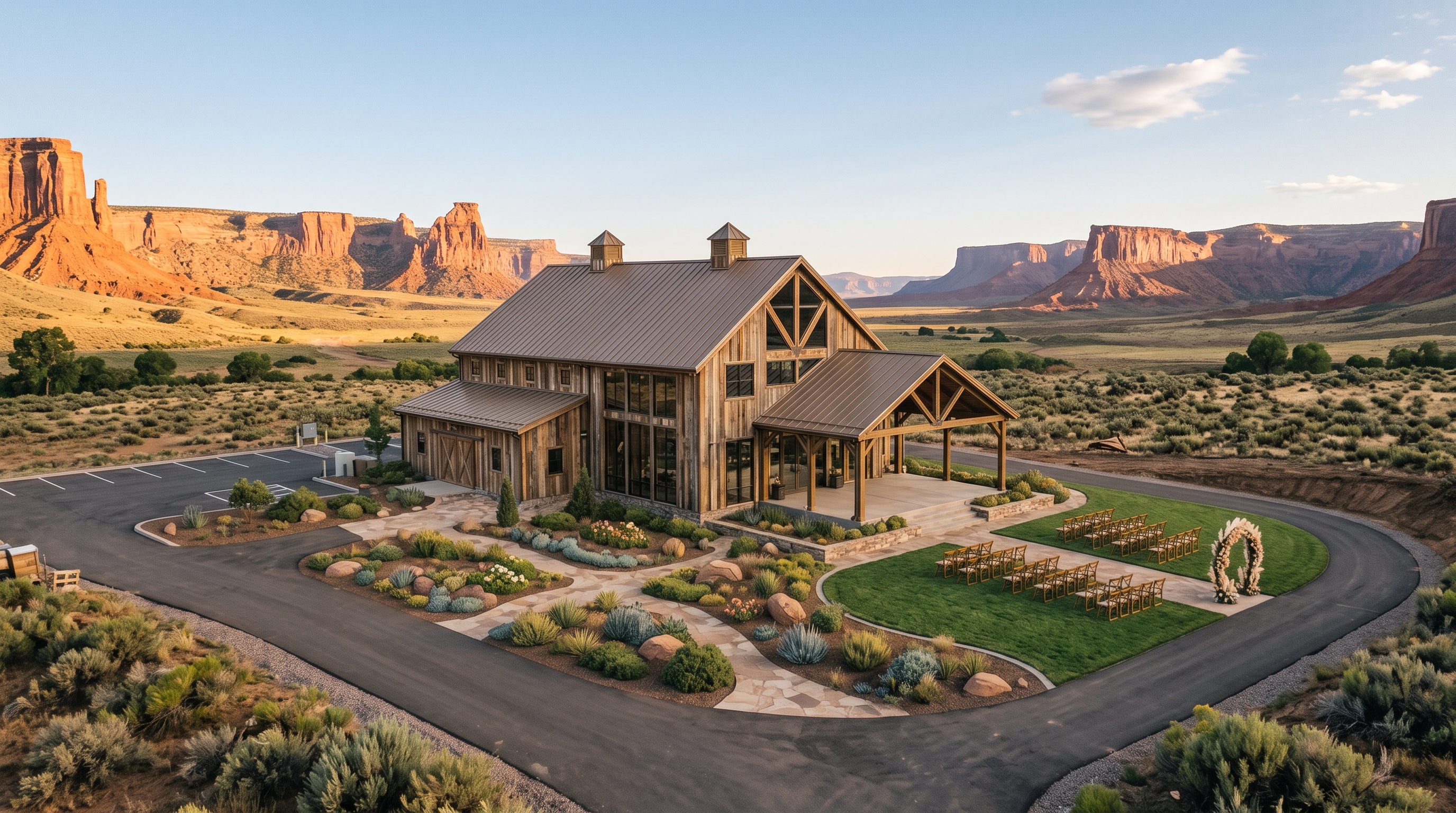
Wedding venue construction costs depend on land, permits, materials, and labor. Each piece adds up fast. Delays in Grand Junction's permit process can push costs even higher. Couples find it simpler and cheaper to book an existing wedding venue instead.
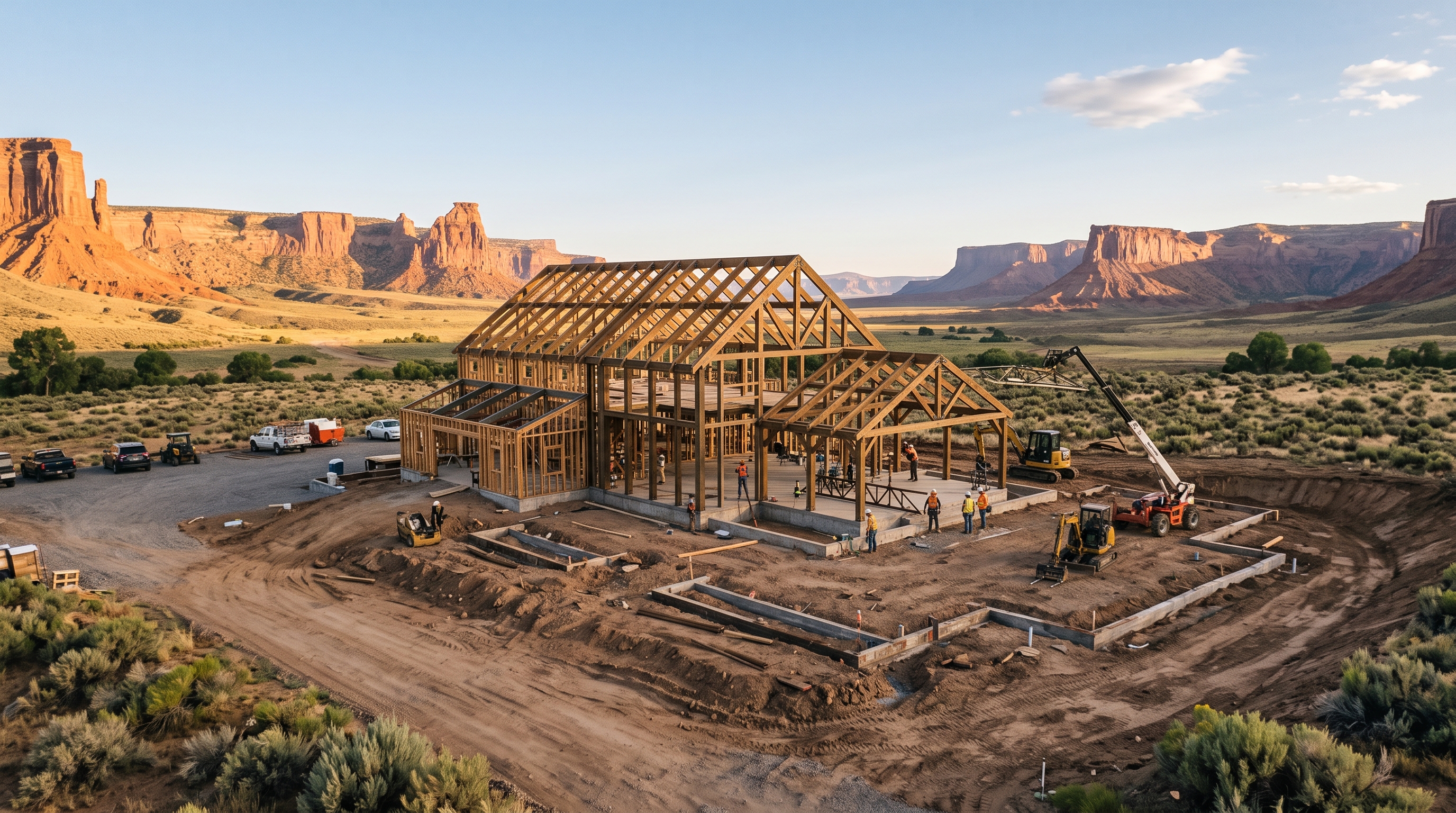
What really drives the cost when someone builds a venue from scratch? It's not one big number. It's a stack of smaller decisions that pile on top of each other. Land. Materials. Labor. Permits. Utilities. Each pulls the total in a different direction. And in a place like Grand Junction, where soil conditions and seasonal weather play a role in construction timing, some of these costs shift depending on when you break ground.
Land is always the start. A flat, buildable lot near Grand Junction with good road access costs more than a rural parcel that needs grading or a new driveway. Then there's the site work itself. Clearing brush, leveling ground, running water and electric lines out to a spot that may not have had any before. We've talked with couples who assumed buying land would be the easy part. It rarely is.
- Land and site prep: clearing, grading, and utility hookups
- Materials: lumber, roofing, flooring, and finish work
- Labor: contractors, electricians, plumbers, and skilled trades
- Permits and inspections: zoning approval, building codes, fire safety
- Parking and access: paved lots, lighting, and drainage
Permits deserve their own mention. Mesa County requires zoning review and building permits before any commercial structure goes up. A wedding venue counts as commercial use. That review process takes time. It's not unusual for permit approval alone to stretch into months. Especially if the property needs a variance or a change in land use designation. Most people don't realize this until they're deep into planning, and the timeline starts slipping.
Labor costs shift too. Based on the season and how busy local contractors are. Spring and summer bring more construction activity across western Colorado, which can mean longer waits for a crew. Materials cost more some years than others. Lumber prices swing based on national supply, and that swing hits a from-scratch build harder than it hits a venue that's already standing.
Here's the thing we see over and over. A couple starts pricing out land, permits, and a barn-style build. Thinking they'll save money by going the DIY route. Then reality sets in: the true cost, the timeline, the risk of weather delays. They realize an existing venue solves all of it at once.
New Construction vs. Converting an Existing Building
Here's a question we get a lot: is it cheaper to build from the ground up, or to convert a barn, warehouse, or old building into a venue? It depends. But the two paths look nothing alike once you get into the details.
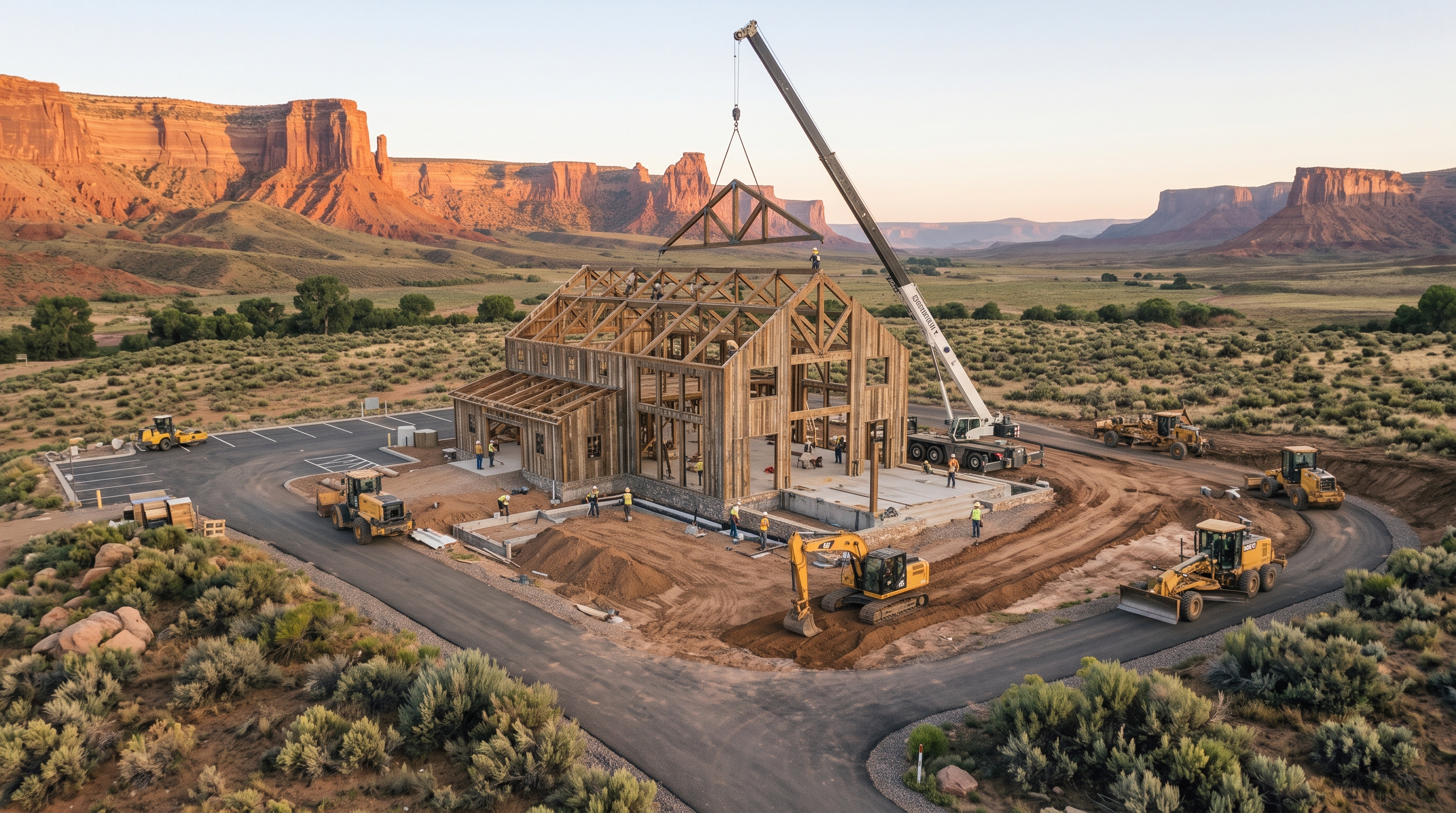
New construction means starting with raw land. You're paying for grading, utilities, foundation work, framing, roofing, plumbing, and electrical before you even think about decor. In Grand Junction, that also means working with soil conditions common to the Western Slope, plus permitting through Mesa County. It's a slower process. Most new-build venues take a year or more just to get through design, permitting, and construction before the first wedding ever happens there.
Converting an existing building is usually faster and often cheaper. But it's not automatically simple. An old barn or event hall might need a new roof, upgraded electrical, added restrooms, or a bigger parking lot to meet code. Plenty of owners think they're saving money by skipping construction. They end up spending just as much on renovations that weren't obvious at first walkthrough.
So which one wins? It comes down to a few factors.
- Land cost and location: raw land near Grand Junction can be affordable, but building-ready parcels with road access and utilities cost more
- Building condition: an existing structure with good bones saves money, one with foundation or roof issues can erase that savings fast
- Zoning and permits: converting a building for event use often triggers the same inspections as new construction
- Timeline: new builds take longer, conversions can sometimes open within months if the space is already close to code
- Capacity needs: new construction lets you design the exact guest count and flow you want, conversions force you to work within existing walls
We've talked with couples who spent months comparing land parcels near the Grand Valley to old event spaces closer to downtown. Most were surprised how close the two paths ended up in total cost once renovation surprises showed up. That's the part people don't expect going in.
Here's the thing though. Building or converting a venue isn't really a decision most couples need to make at all. You're planning a wedding, not launching a construction project. And that's exactly why so many people in Grand Junction skip this whole process and book an existing venue instead.
A venue that already has the dance floor, the ceremony space, and the reception room ready to go removes basically every cost and headache we just walked through.
Permits and Zoning Steps Before You Build
Before anyone pours a foundation, the county has to say yes. Permits and zoning are the part nobody gets excited about. But skip this step and you could lose months, or the whole project. We've watched landowners in Mesa County assume a barn or open field would work fine for weddings. It didn't, not without a fight at the zoning office first.
Grand Junction sits in an area where land use rules vary block by block. A property zoned agricultural might allow a small barn venue. The same plot zoned residential probably won't, not without a special use permit. So the first real step is always checking zoning designation with Mesa County or the City of Grand Junction planning department, depending on where the land sits.
- Confirm zoning classification for the property through Mesa County or city planning offices.
- Apply for a conditional or special use permit if the zoning doesn't already allow commercial events.
- Schedule a site plan review, which checks parking, setbacks, and access for emergency vehicles.
- Get building permits for any new structure, plus separate permits for electrical and plumbing work.
- Pass a health department review if you plan to offer catering for weddings on site.
- Handle fire marshal inspection for occupancy limits and exits before hosting any event.
- Secure a liquor license or banquet permit if alcohol will be served at receptions.
Each step above can take anywhere from a few weeks to several months. And that's assuming no one on the review board asks for revised drawings. We've seen permit review alone stretch a project timeline by six months when a septic system needed redesign for higher guest counts.
Occupancy limits are where a lot of first-time venue owners get surprised. The fire marshal calculates max capacity based on exits, square footage, and room use. A barn that looks like it holds 300 guests might legally hold half that. Until you add another exit door or widen a hallway. That single fix can add real cost to a build that already felt finished.
Parking is another one people underestimate.
Grand Junction's rural stretches near the Redlands and Orchard Mesa often need gravel or paved parking areas. Sized for peak wedding traffic, not just everyday use. Some properties also need a traffic study if the access road can't handle a line of cars leaving after a Saturday reception.
Septic and water rights matter too. Especially outside city limits. A lot of Western Slope land relies on well water and septic systems built for a house, not for a banquet hall serving 150 guests. Upgrading those systems to meet health code for wedding catering or banquet services can be one of the biggest hidden costs in the whole project.
This is exactly why so many couples and venue owners decide building from scratch isn't worth the wait.
If you're planning a wedding right now and don't want to gamble on permit timelines, it makes more sense to book a venue that's already cleared every one of these steps. Our private wedding venue near Grand Junction already has the permits, the parking, the septic capacity, and the fire marshal approval sorted out. Your only job is picking a date.
Frequently Asked Questions
How long does the Mesa County permit process usually take for a new venue?
Permit approval alone can stretch into several months, sometimes longer if a variance is needed. Mesa County requires zoning review and building permits before any commercial structure goes up, and a wedding venue counts as commercial use. Many landowners don't realize this timeline until they're already deep into planning. If you're weighing land against an existing space, this waiting period is a big reason couples end up looking at a venue that's already built and ready.
Does soil type in Grand Junction affect how a venue gets built?
Yes, soil conditions on the Western Slope can affect foundation work and construction timing. Certain soil types need extra grading or engineering before a foundation is safe to pour. This adds time and steps to a new build that an existing structure never has to deal with. It's one more reason a from-scratch project takes longer than most people expect when they start planning.
Is it a mistake to assume converting a barn is always cheaper than new construction?
Yes, this is one of the most common misconceptions we see. An old barn or building might need a new roof, upgraded electrical, added restrooms, or more parking to meet code. Owners often think they're skipping the hard part of construction, then spend just as much fixing problems that weren't obvious at first walkthrough. It's worth comparing renovation costs closely before assuming a conversion saves money.
When does it make sense to build a venue instead of booking an existing one?
Building only makes sense if you need a very specific capacity, layout, or long-term business plan tied to owning property. For a couple planning one wedding, building rarely makes sense once you count land, permits, materials, and labor. Most people find it simpler to book an existing venue instead of managing a construction project. If you want to see what that looks like, you can explore our wedding venue for ceremony and reception spaces already built and ready.
Can zoning rules really stop a wedding venue project in Grand Junction?
Yes, zoning can stop a project entirely if the land isn't approved for commercial or event use. Land use rules vary block by block around Grand Junction, so a property zoned agricultural might allow a small venue while a residential lot won't without a special use permit. Checking zoning designation with Mesa County or the City of Grand Junction before buying land saves you from costly surprises later.
Why do labor costs for venue construction change by season?
Labor costs shift because contractor demand rises in spring and summer. Construction activity picks up across western Colorado during warmer months, which can mean longer waits and higher costs for a crew. Materials like lumber also swing in price based on national supply, and that hits a from-scratch build harder than a venue that already stands. Timing your project around these seasonal shifts can change your total cost.
Play at an Award Winning Golf Course
2325 W Ridges Blvd,
Grand Junction, CO 81507
(970) 255-7400