
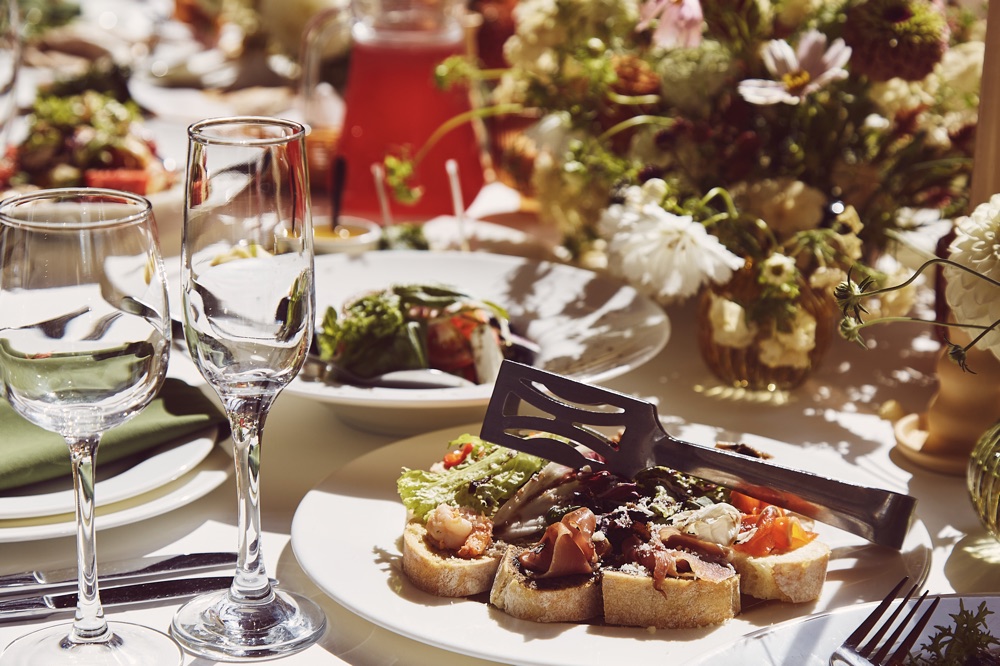
Banquet Catering Covers Every Detail From Menu Planning to Final Plate
Banquet catering is more than cooking for a big group. It is the whole chain — from the first conversation about what you want on the table to the moment the last dish is washed and the kitchen is clean.
It starts with the menu. You sit down with the catering team, talk about the kind of event you are hosting, how many people are coming, and what kind of food fits the mood. A wedding reception needs a different menu than a company awards dinner or a Saturday afternoon family reunion. The team builds options around your group, your budget, and your taste.
Then comes the tasting. You try the food before you say yes to it. At Redlands Mesa, tastings happen after your first meeting so the dishes you sample are already shaped around your event — not a one-size-fits-all sampler that does not match what your guests will eat.
On the day itself, the catering crew handles everything. They load in, prep the kitchen, set the stations or plate the courses, serve the room, and break it all down after. Servers manage the tables. The kitchen manages the timing. You manage nothing. That is the whole point.
In Grand Junction, events happen indoors and outdoors in every season. A banquet hall in Grand Junction like Redlands Mesa sees the full range — the dry heat of a July afternoon on the Redlands is a very different catering job than a January dinner inside the clubhouse. An experienced banquet team plans for both — covered stations when the food is outside, chilled trays for appetizers in the sun, and proper equipment to keep hot food hot no matter where the tables sit.
At Redlands Mesa, the kitchen is part of the building. Food goes from prep to plate to table in minutes — not from a catering van across the parking lot. That makes a real difference in how fresh the food tastes when your guests sit down.
Plated, Buffet, and Family-Style Service Each Fit Different Grand Junction Events
How the food gets to the table changes how the whole event feels. A plated dinner moves at a different speed than a buffet. A family-style meal with shared platters has a different energy than either one. Picking the right format is not just about food. It is about how you want the room to feel.
Plated service gives you the most control. Each guest gets a set plate, brought to their seat at a timed pace. The kitchen runs the flow. The room stays seated. It feels polished and organized — a good fit for formal weddings, corporate events, and milestone dinners where you want the evening to feel smooth and elegant.
Buffet service gives your guests more choice. They stand up, walk to the stations, and pick what they want. It works well for relaxed weddings, family reunions, and events where variety matters more than formality. At Redlands Mesa, buffet options include prime rib, stuffed chicken breast, Southwest taco bars, BBQ spreads, Italian pasta bars, and more. The line keeps moving and guests go back for seconds if they want.
Family-style service is right in the middle. Platters come to the table and get passed around. It feels like Sunday dinner at your grandma's house — warm, social, and personal. People talk more when they are sharing food. It works well for smaller weddings, rehearsal dinners, and celebrations where the table is the center of the night.
The best choice depends on your room, your guest count, and the vibe you want. A seated plated dinner for 150 under a tent runs differently than a buffet for 80 on the patio. At Redlands Mesa, your events coordinator helps you match the service style to the space and the schedule so the food and the room work together instead of against each other.
How to Prepare Your Guest Count and Menu Before Booking a Banquet Caterer
Two numbers matter most when you call a caterer: how many people and when.
Start with a rough headcount. It does not need to be exact yet. "We are expecting 80 to 100 guests" gives the team enough to build a first proposal. The final count gets locked in closer to the event. At Redlands Mesa, your final guest count is due 14 days before the date.
Next, think about dietary needs. How many people eat vegetarian? Anyone with a serious allergy? Are there kids who need a simpler plate? Having this info ready during the first call speeds up the menu. At Redlands Mesa, vegetarian options like portobello steaks, eggplant parm, and buffalo cauliflower burgers are available on request.
Then think about style. Do you want a formal plated dinner or a relaxed buffet? Is there a type of food you love — BBQ, Italian, Southwest? Is there a dish that means something to your family? The more the kitchen knows about what you want, the closer the first menu draft gets to the final version.
One thing about timing: peak season on the Western Slope runs from June through October. If your event falls in that window, book early — three to six months ahead is a solid target. Off-season events have more room, but planning ahead still helps the kitchen build you the best menu.
At Redlands Mesa, the tasting and menu process is built into the planning timeline from the moment you confirm your banquet room rental. Your coordinator and the kitchen work together so the food fits the event, the schedule, and the season.
What to Expect on Event Day From Setup Through Serving in Grand Junction
On event day, the catering team is one of the first crews at the venue and one of the last to leave. Here is how the day runs.
Load-in and kitchen prep. The crew arrives three to five hours before guests sit down. At Redlands Mesa, the kitchen is built into the venue — no truck to unload, no mobile kitchen to set up in the lot. Prep starts right away. For events at other venues around the valley — Orchard Mesa, Palisade, downtown — an outside caterer may need extra travel and setup time. Plan for that.
Station and table setup. If it is a buffet, the stations get built — warming trays, serving tools, labels, and garnish. If it is plated, the kitchen preps the line and stages everything for timed service. If it is family-style, platters are prepped and timed to match when guests sit down.
Service. Once the room is seated, the team runs the floor. Servers pour water, bring courses, clear plates, and refill the buffet line. The kitchen matches the food to the event timeline — appetizers during cocktail hour, dinner after toasts, dessert before the dance floor opens. At Redlands Mesa, the coordinator and the kitchen work off the same schedule, so there are no gaps between the food and the rest of the evening.
Breakdown and cleanup. After the last plate is cleared, the crew breaks down the kitchen, packs up, and cleans the space. At Redlands Mesa, this happens alongside the venue teardown crew so the whole property gets cleared in one pass.
The hosts who enjoy their events the most are the ones who never set foot in the kitchen. That is the goal. You sit with your people. The kitchen handles everything behind the wall.
Signs Your Banquet Caterer Handled Every Course the Right Way
After the event is over and the tables are cleared, a few things tell you whether the catering team did their job well.
Food came out on time. Appetizers hit the cocktail hour when they should have. Dinner landed when people were ready to eat — not 20 minutes late while guests sat staring at empty plates. Dessert showed up after dinner, not during it. Timing is the backbone of banquet service. When it is right, the whole night flows. When it is off, everything backs up.
Temperature was right. Hot food was hot. Cold food was cold. That sounds simple, but in Grand Junction's summer heat — especially at an outdoor event on the Redlands or the patio overlooking the golf course — holding temperature is a real challenge. An experienced kitchen manages that with proper equipment, not guesswork.
Plates looked good. Banquet food should look like someone cared about it. Clean plating. Steady portions. A little thought in how the food is arranged. That effort makes guests feel like the meal matters — because it does.
Guests said something. This is the best sign. If three people mention the prime rib. If someone asks who made the dessert. If your mom says it was the best wedding food she has ever had. At Redlands Mesa, the Ocotillo kitchen takes pride in the kind of food people talk about the next morning — not just the kind they eat and forget.
The kitchen was invisible. Your guests should not see the hustle. No crashing pans. No confused servers. No frantic trips through the dining room with trays over their heads. The best banquet teams work like they have done this 100 times — because they have. At Redlands Mesa, the kitchen has served events in this exact space over and over. They know the room. They know the timing. They know how long it takes to plate for 40 versus 150. That experience shows up in how calm the evening feels.
Seasonal Ingredients From the Western Slope Make Grand Junction Banquets Stand Out
One of the best things about hosting an event in the Grand Valley is how close the food is to where it grows.
Palisade is 15 minutes from Redlands Mesa. The peach orchards, the vineyards, the farms along the river — they are not a marketing line. They are down the road. When our kitchen at Ocotillo builds a banquet menu, seasonal ingredients can be sourced days before the event, not weeks. That freshness shows up on the plate in ways your guests will notice.
In summer, Palisade peaches are at their peak. They work in desserts, salads, glazes, and cocktails. Olathe sweet corn — grown just south of the valley near Montrose — is one of the most well-known crops on the Western Slope and goes with just about anything on a buffet line. Anybody who has lived in the valley knows: when the Olathe corn shows up at the farm stands, summer is in full swing. Local wines from more than 30 vineyards can stock your bar with bottles from the same valley your guests are looking at through the windows.
In fall, the menu shifts to harvest — squash, root vegetables, and heavier proteins like Colorado lamb and braised beef. The air cools down, the cottonwoods turn gold along the river, and the food follows the season.
Winter menus lean into comfort. Pot roast. Stuffed chicken. Rich sauces. Layered cakes. The kind of food that fills the room with warmth on a cold night when the Bookcliffs are dusted with snow and the parking lot crunches under your boots.
Spring opens things back up. Lighter dishes. Fresh greens. The first local produce coming back to market after a quiet winter.
A banquet menu built around what is growing nearby does not need a fancy tagline. It just tastes like the place it came from. And for guests who drove over from Denver or flew in from out of state, that is the kind of detail they notice, talk about, and remember long after they get home.
Host Your Wedding at Redlands
Redlands Mesa provides space for both wedding ceremonies and recptions.